
From “Mass-Production OEM” to “Agile Partner”: How We Used 30% Flexible Capacity to Support Boohoo’s Supply Chain Evolution Over a Decade
Preface: Proactive Evolution Beats Passive Adaptation
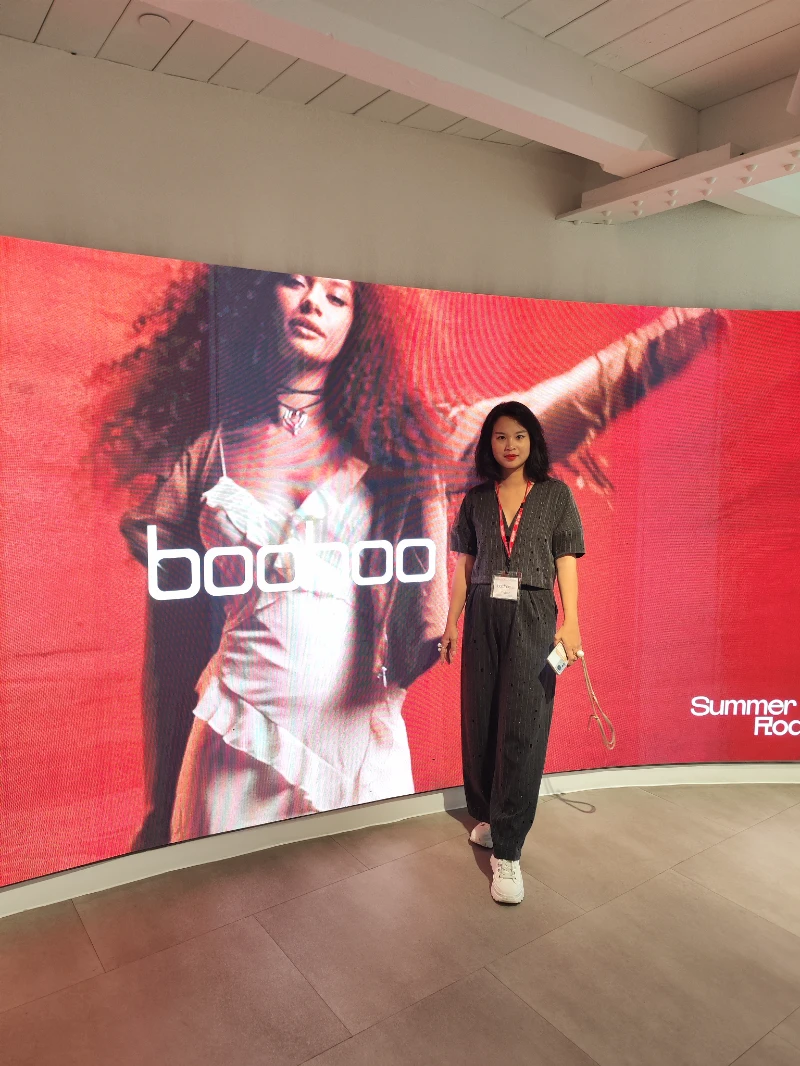
We first secured orders from Boohoo in 2010. Over the past decade, we have witnessed its transformation from a “traditional fashion e-commerce platform” to a pioneer of Ultra-Fast Fashion.
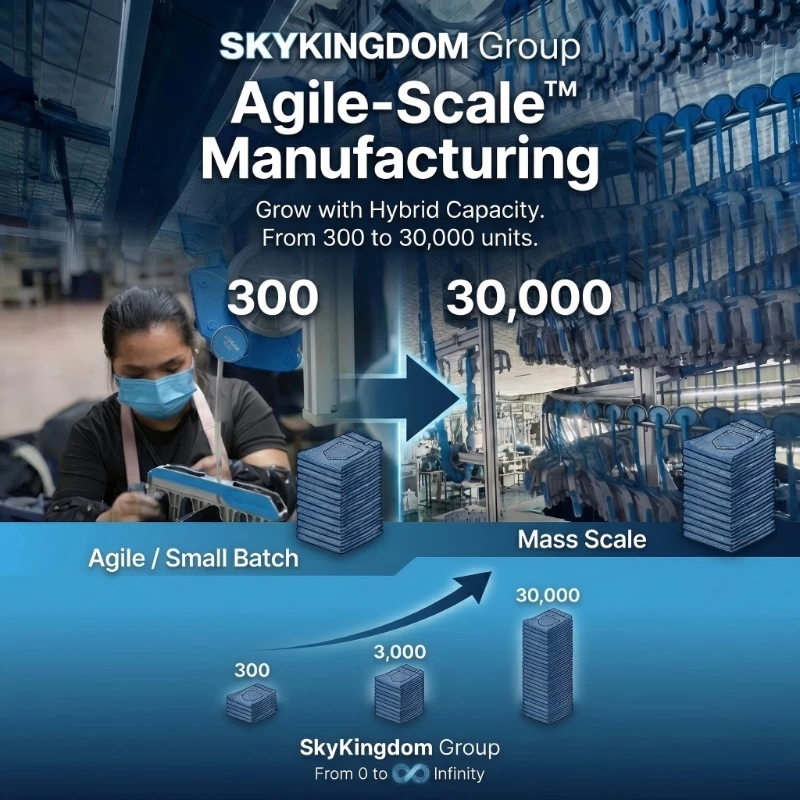
In the early days, Boohoo placed bulk orders of tens of thousands of units with us; today, however, we predominantly handle its ultra-demanding orders characterized by “300-unit trial runs, 15-day delivery timelines, and immediate reorders for bestsellers”. Within the denim industry cluster in Xintang, when people talk about UK fashion orders, they immediately think of the female manager from SKY(SkyKingdom) who oversaw these collaborations. During our peak period, we served major clients including ASOS, Missguided, Premark, Studios, and more than ten sub-brands under Boohoo’s umbrella.
Faced with the evolving challenges posed by our long-term client, we refused to stand still. Over the years, we have transformed our factory from a mere manufacturing unit into a quick-response service provider. Below is our customized solution for rapid denim reorders tailored to Boohoo’s business model, shared as a reference for peers in the industry
I. Pain Point Analysis: Boohoo’s “Impossible Trinity”
Boohoo’s core strategy revolves around Test & Repeat (small-batch trial production followed by large reorders for top-selling items). This model presents three critical challenges to the supply chain:
- Extremely short lead times: Delivery to warehouse typically takes only 15–20 days, including logistics.
- Fragmented orders: A high volume of 300–500 unit trial orders severely disrupts the workflow of traditional assembly lines.
- Cost sensitivity: As a fast-fashion brand, Boohoo maintains strict cost controls and cannot tolerate excessive premiums for quick-response services.
II. Our Core Solution: Hybrid Capacity System
To balance efficiency and flexibility, we adopted a 7:3 “golden ratio” for capacity allocation.
- Establishing the “Quick-Response Task Force” (30% of capacity) – Specializing in Trial Orders
- Physical restructuring: Given the small size of Boohoo’s trial orders, we abandoned the conventional long assembly line in favor of a U-shaped cellular manufacturing layout.
- Operational model: Teams of 10 multi-skilled workers execute a one-piece flow production system.
- Practical results: For Boohoo’s 300-unit trial orders, we can achieve garment completion within 48 hours of sewing. This is not just production—it is about buying time for our client.
Retaining the “Mass-Production Battlefield” (70% of capacity) – Fulfilling Reorders
Once a trial style becomes a bestseller, reorder volumes typically range from 3,000 to 5,000 units. We immediately transfer these orders to our intelligent overhead conveyor line, leveraging economies of scale to reduce costs and ensure Boohoo’s profit margins on bulk orders.
III. Supply Chain Strategies: Preemptive Material Stockpiling and Technological Substitution
1.Building a Boohoo-Exclusive “Fabric Reserve Pool”
We analyzed Boohoo’s order data from the past three years and identified 3 core denim fabric variants.
- Strategy: We entered into an agreement with fabric suppliers to maintain standing inventories of the grey fabric for these 3 key variants.
- Value: When Boohoo’s designers select any of these fabrics, the fabric lead time is reduced to zero. We refer to this approach as menu-based product development.
2.Replacing Manual Washing with Laser Technology
Boohoo has high requirements for fashion details such as whiskering, distressing, and prints. Traditional manual brushing is not only slow but also results in significant batch-to-batch inconsistencies.
- Innovation: We partnered with specialized suppliers to introduce laser engraving machines exclusively for Boohoo’s production lines.
- Value: Design specifications are directly uploaded to the machines, with distressing effects completed in just 1 minute. This not only accelerates the quick-response process but also aligns with Boohoo’s current ESG (Environmental, Social, and Governance) strategy by reducing chemical usage.

IV. Collaboration Outcomes and Reflections
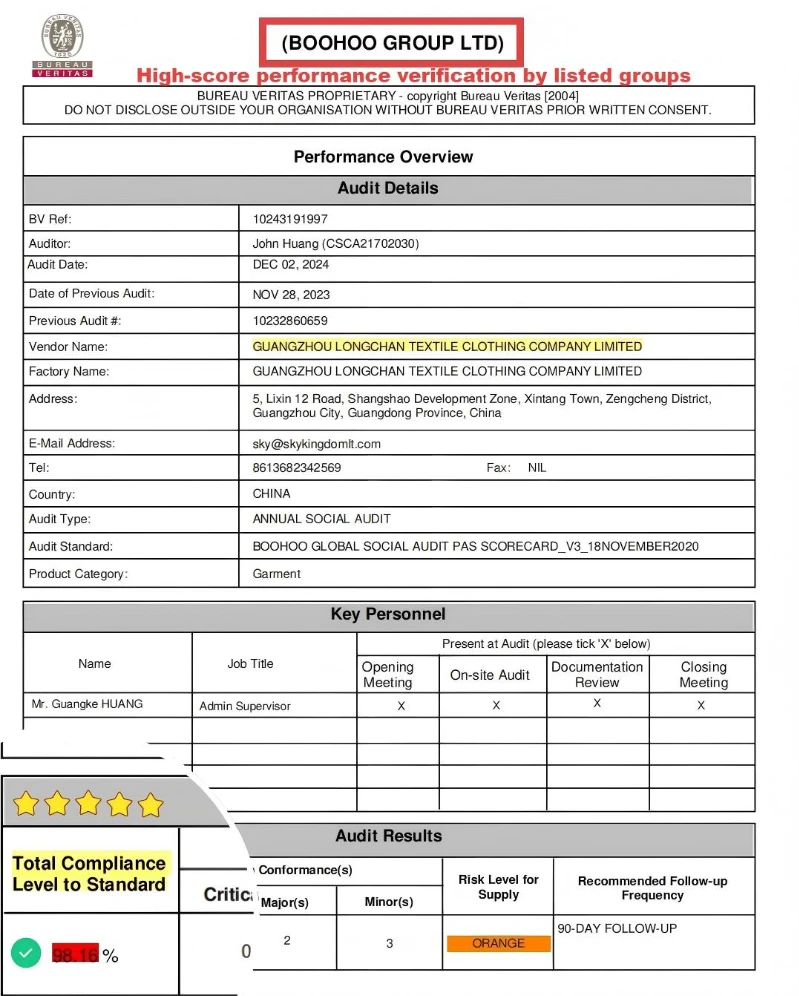
Through this integrated solution, we have achieved deep synergy with Boohoo:
- Fast Track: 10–15 day delivery with a 300-unit minimum order quantity. Pricing = Base Price + 20%–30% Quick-Response Premium.
- Standard Track: 25–30 day delivery with a 1,000-unit minimum order quantity. Pricing = Standard Price.
Key achievements:
- Lead time reduction: Average delivery speed shortened by nearly 10 days compared to the traditional model from a decade ago.
- Reorder responsiveness: We set a record of 7-day order fulfillment under our ultra-rapid mode.
- Inventory risk mitigation: Helped the client reduce initial order inventory risk by 40%.

By Sky | SkyKingdom Founder | 20+ Years in Denim Craftsmanship
FashionNova Case Study: How We Redefined “Ultimate Quick Response”
SKYKINGDOM Rapid Response Case Study (III)