
Denim durability is the quiet promise your jeans make every time you sit, squat, bike, wash, and repeat. If you’re a DTC brand, it’s also the difference between “5-star staple” and “returned after two wears.” I’ve reviewed wear-test reports where the fabric looked fine, but the jeans failed at the seams, pocket edges, or crotch—places most product pages never mention. So let’s break down what actually drives denim durability, how to test it, and how to spec it correctly for fast-fashion timelines without sacrificing quality.

What “Denim Durability” Means in Real Life (Not Marketing)
Denim durability is the garment’s ability to resist abrasion, tearing, seam failure, and shape loss over time. It’s not just “thicker denim,” and it’s not identical to “premium denim.” A durable jean survives friction points (thighs, knees, pocket corners), repeated laundering, and daily movement without blowing out or bagging.
In production terms, denim durability is the sum of four systems working together:
- Fabric (fiber, yarn, weave, weight, finishing)
- Pattern & fit (strain distribution, rise, thigh ease)
- Construction (stitch type, SPI, thread, reinforcement)
- Wash & care (enzymes, softeners, heat, tumble)
The 7 Biggest Drivers of Denim Durability (Ranked by Impact)
1) Fabric weave: twill direction and broken twill matter
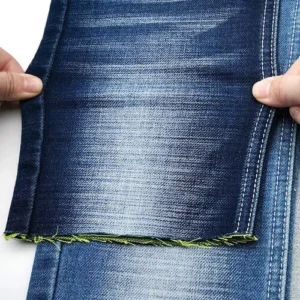
Most denim uses a twill weave, which creates the diagonal ribs you can see. That diagonal structure helps denim handle stress better than a plain weave. If you want extra stability and less leg-twist, broken twill is a strong option because it alternates the twill direction, balancing torque.
Practical takeaway for denim durability:
- Right-hand twill: classic look, strong, common
- Left-hand twill: softer hand feel over time, different fading
- Broken twill: helps reduce twisting and can improve long-term wear in high-movement fits
For deeper weave context, see industry discussion on practical jean features from Denimhunters and an explainer on broken twill from WiesMade.
2) Denim weight (oz/yd² or GSM): useful, but not the whole story
Weight influences durability, but it’s not a guarantee. I’ve seen 14 oz denim fail early due to weak pocketing and poor seam balance, while a well-built 11.5 oz pair lasted for years. Still, weight is a reliable starting point when you’re building a spec.
Typical expectation bands (assuming good construction and care):
- 8–10 oz: light, fashion-forward, lower abrasion buffer
- 11–13 oz: balanced everyday durability
- 14–16 oz+: rugged, higher abrasion resistance, longer break-in
If you’re choosing weight for your line, SkyKingdom’s guide on weight of jeans (ounces, GSM) and how to choose pairs well with durability planning.
3) Fiber and yarn quality: staple length and yarn twist
Most denim is cotton-based, and cotton quality matters. Longer staple cotton generally improves yarn strength and reduces fuzzing and premature thinning. Yarn twist also plays a role: too low and it can abrade faster; too high and hand feel can suffer.
Brand-side spec tips:
- Ask for warp/weft yarn count and fiber blend details
- Confirm whether the mill uses ring-spun or open-end yarns (ring-spun often feels stronger and ages well, but depends on target cost and hand feel)
4) Stretch content: comfort vs long-term resilience
Stretch denim is popular, but stretch can reduce denim durability if not engineered well. The most common failure pattern is bagging (shape loss) and crotch blowout from repeated stress + abrasion. When I tested stretch programs, the biggest differentiator wasn’t “% elastane” alone—it was recovery performance and wash chemistry.
If stretch is part of your line, review the root causes and fixes in SkyKingdom’s technical article on stretch denim elasticity loss.
5) Construction: thread, stitch density, and reinforcement
Durable denim is engineered at the seam. The fabric can survive, but the garment fails at:
- Pocket corners
- Fly base
- Inseam/crotch intersection
- Belt loops
- Hem edge
Key construction levers that improve denim durability:
- Higher-quality core-spun threads where needed
- Correct SPI (stitches per inch) for fabric weight (too high can perforate; too low can pop)
- Reinforcement like bar tacks, rivets, and clean felled seams (where appropriate)
6) Fit and pattern: durability starts with strain mapping
A skinny fit in rigid denim concentrates stress at the thigh and crotch. A relaxed fit spreads stress. This is why two jeans made from the same fabric can have totally different durability outcomes.
Pattern choices that often improve denim durability:
- Slightly more thigh ease in high-friction zones
- Balanced front/back rise to reduce seam stress
- Pocket placement that avoids edge curling and corner tearing
7) Wash, finishing, and aftercare: enzymes and heat can shorten life
Aggressive washes can weaken fiber over time, especially when combined with high heat drying. Enzyme washes and over-softening can reduce surface strength—great for hand feel, risky for longevity if overdone.
Consumer care that preserves denim durability:
- Wash less often (spot clean when possible)
- Cold wash, inside out
- Avoid high heat tumble
- Repair early (small holes become blowouts fast)
How to Measure Denim Durability: Tests That Predict Real Wear
If you’re building product you can stand behind, you need testable metrics. The most useful lab tests for denim durability include:
- Abrasion resistance (e.g., Martindale): predicts thigh/knee wear
- Tear strength: predicts ripping at stress points
- Seam slippage: predicts seam opening under load
- Dimensional stability: predicts shrink and twist
- Stretch & recovery (for stretch denim): predicts bagging
AQL inspection catches defects, but it doesn’t replace performance testing. The best programs use both: lab tests for durability + inline QC for consistency.
| Use Case | Recommended Weight (oz) | Weave | Stretch % | Key Reinforcements | Suggested Tests | Target Customer Expectation (years/wears) |
|---|---|---|---|---|---|---|
| Fashion Light | 8–10 | RHT | 2–4% | Minimal rivets, bar tacks at stress points | Abrasion (light), seam slippage, stretch & recovery | 1–2 years / ~50–100 wears |
| Everyday Core | 11–13 | RHT or LHT | 0–2% | Rivets at pocket corners, bar tacks, felled inseam | Abrasion, tear strength, seam slippage, wash durability | 2–4 years / ~150–300 wears |
| Workwear/Utility | 14–16 | Broken Twill | 0–1% | Heavy rivets, dense bar tacks, felled seams throughout | Abrasion (heavy), tear strength, seam strength/slippage, dimensional stability | 4–7 years / ~300–600 wears |
Common Denim Durability Failures (and How to Fix Them)
Below are issues I see repeatedly in fast-fashion denim programs—especially when timelines are tight and the tech pack is light.
Crotch blowout
- Why it happens: friction + tight fit + weak recovery + seam stress
- Fix: adjust thigh/rise, upgrade seam build, improve stretch recovery, add reinforcement
Pocket corner tearing
- Why it happens: stress concentration + weak pocketing + low reinforcement
- Fix: bar tacks/rivets, stronger pocketing, corner shape tuning
Seam popping
- Why it happens: wrong thread, wrong SPI, seam type mismatch
- Fix: thread upgrade, SPI recalibration, seam type change
Knee bagging
- Why it happens: poor stretch recovery, over-softening, low fabric resilience
- Fix: better elastomer system, controlled finishing, recovery testing
Excessive fading + fiber weakening
- Why it happens: harsh wash chemistry + heat
- Fix: optimize wash recipe, reduce enzyme intensity, educate care

Denim Durability for DTC Brands: A Practical Spec Checklist
When you’re moving fast, durability comes from making a few high-leverage decisions early. Here’s a checklist you can paste into your tech pack or sourcing brief:
- Fabric
- Weight range (oz or GSM)
- Weave choice (RHT/LHT/broken twill)
- Fiber blend (cotton %, elastane %, optional poly for strength)
- Fit risk flags
- Skinny rigid = high stress; plan reinforcements
- High stretch + heavy wash = recovery risk
- Construction
- Thread type (core-spun where needed)
- Reinforcement map (bar tacks/rivets at corners)
- SPI targets by seam
- Testing
- Abrasion + tear baseline
- Seam slippage
- Stretch & recovery (if applicable)
- Wash
- Controlled enzyme use
- Limit over-softening
- Dimensional stability targets
If you’re refining your build process, SkyKingdom’s guide on 5 ways to ensure your denim clothing design is made right is a strong next read.
How SkyKingdom Group Supports Denim Durability at Speed (OEM/ODM View)
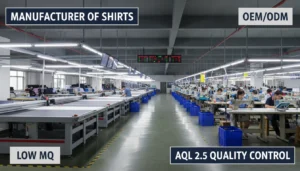
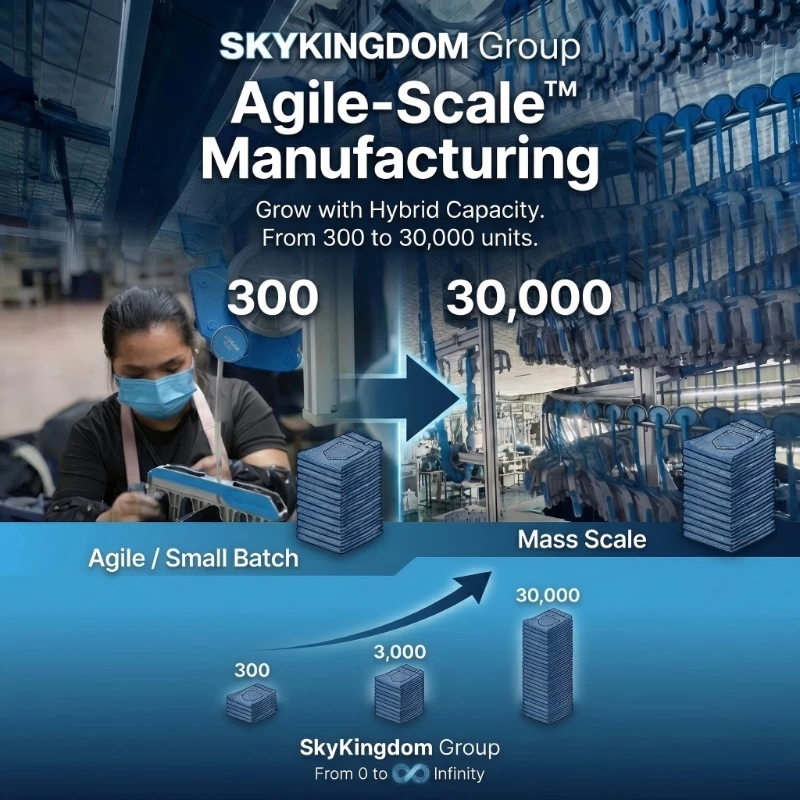
Denim durability is easiest to protect when the factory can see problems early—not after bulk is finished. In our production work, the biggest wins come from real-time process control, repeatable wash recipes, and consistent QC gates. SkyKingdom Group’s 5G IoT production lines and ERP tracking are designed to reduce variation between sample and bulk, which is where durability surprises often appear.
For brands launching quickly, the operational pieces that matter most to durability are:
- 7-day sampling to validate fabric + construction choices early
- 15–22-day bulk with flexible capacity planning
- Amazon Top Seller-grade QC (AQL 2.5) to control workmanship consistency
- Eco-friendly wash processes with recipe discipline to reduce over-processing risk
- Low MOQ (30 units) so creators can test durable builds before scaling

Conclusion: Denim Durability Is Designed, Not Hoped For
Denim durability isn’t a lucky outcome—it’s the result of fabric engineering, smart pattern choices, disciplined construction, and controlled washing. I’ve watched two “identical” jeans perform completely differently in wear tests because one had better seam strategy and a less aggressive finish. If you want jeans customers keep (and recommend), treat denim durability like a spec you can measure, not a vibe you can market.
If you’re building a durable denim line on a tight launch calendar, share your target fit, weight, and wash look in the comments—or reach out to discuss sampling options and reinforcement mapping for your next drop.
📌 the ultimate guide to quick denim clothing sample production for fashion brands
FAQ: Denim Durability Questions People Search
1) What denim weight is most durable for everyday jeans?
For most consumers, 11–13 oz is the best balance of comfort and denim durability, assuming solid construction and a controlled wash.
2) Does heavier denim always last longer?
Not always. Heavier fabric can help abrasion resistance, but seams, pocketing, fit stress, and wash often determine real-world failure first.
3) Is stretch denim less durable than 100% cotton denim?
It can be if recovery is poor or the wash is harsh. Well-engineered stretch denim can be durable, but it needs recovery testing and the right finishing.
4) What causes crotch blowouts in jeans?
Usually a mix of friction, tight fit, weak recovery, and high seam stress at the inseam intersection.
5) How can I make my jeans last longer at home?
Wash less, wash cold inside out, avoid high heat drying, and repair small holes early to protect denim durability.
6) What is broken twill denim, and is it more durable?
Broken twill alternates twill direction to reduce leg twist and can improve long-term wear stability, depending on the full fabric and build.
7) What tests should brands request to verify denim durability?
At minimum: abrasion resistance, tear strength, seam slippage, dimensional stability—plus stretch & recovery for stretch styles.
Authoritative sources referenced
- Denimhunters: durability and practical features of jeans
- WiesMade: broken twill weave and durability
- Duer: how long jeans last + care tips