
Introduction
Rising logistics fees, higher trim costs, and more frequent micro-trends have pushed denim COGS upward for many online brands—especially when you’re trying to launch quickly without overbuying. The good news is that you can reduce denim clothing purchasing costs without sacrificing fit, wash consistency, or perceived quality—if you treat sourcing like an operating system instead of a one-time quote.
在本指南中,您将学习通过严格规范、选择低风险最小订单量策略、标准化材料、加快采样、选择更智能的洗涤工艺以及将质量控制纳入合同来降低成本的逐步方法。在此过程中,你会看到实力强的牛仔裤供应商Sky Kingdom如何帮助你避免两大利润削减因素:变更订单和重做。
How to Save on Denim Clothing Purchasing Costs Step by Step
1: Define cost targets and specs
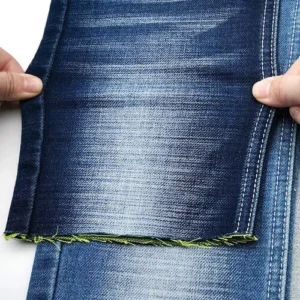
The fastest way to inflate denim costs is to let your product definition change midstream. Before you contact any custom jeans factory or jeans exporter, lock your “non-negotiables” into a single spec package: fabric weight range (e.g., 11–14 oz), fiber composition (100% cotton vs cotton/elastane blends), shrinkage expectations, and the exact wash references you’ll approve against.
Start by setting a target landed COGS range internally (not as a price request) and then translate that into controllable variables: fewer unique trims, fewer wash variations, and shared base patterns across a capsule. Also define measurement tolerances and grading rules early so your factory isn’t guessing. This is especially important for a china startup clothing manufacturer specializing in jeans china startup scenario, where first samples often trigger costly revisions.
At Sky Kingdom, this step is easier if you approach them as a manufacturing partner—not just a quote engine—because their workflow is built around quick response and repeatability across styles.
2: Choose a low-MOQ production model
If you’re trying to save money, don’t confuse “cheapest unit cost” with “lowest total cost.” The lowest total cost usually comes from reducing dead stock and avoiding large speculative buys. That means choosing a small-batch model with a clear replenish plan, instead of forcing bulk quantities too early.
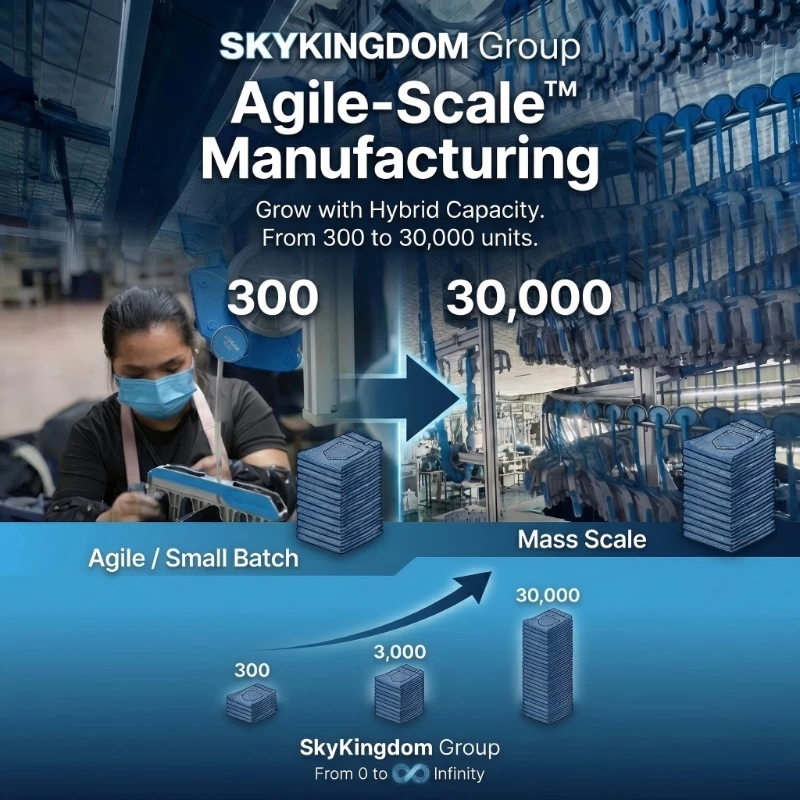
Sky Kingdom states that MOQ for jeans manufacturing starts from 30 pieces across all designs for each order, with different MOQs possible for custom fabrics/hardware and other components. That kind of flexibility matters because it lets you validate product-market fit first, then scale only the winners. For china clothing factory jeans start ups, a low-MOQ structure also helps you run A/B tests on fit (rise, leg opening, inseam) and wash (medium vs enzyme) without tying up cash.
The operational win: a low-MOQ model reduces inventory carrying costs and markdown pressure—often a bigger savings lever than negotiating pennies off a unit.
3: Consolidate styles and materials
Denim cost control becomes much easier when you “modularize” your line. Consolidation means reusing fabrics, thread colors, buttons, zippers, pocketing, and even label placements across multiple SKUs. You still get variety through silhouette and wash—but you avoid the hidden cost of micro-orders for every trim.
Use a simple consolidation plan: – Choose 1–2 core denim bases (e.g., one rigid, one stretch) – Standardize hardware (same button/tack finish across a drop) – Reuse pattern blocks (same waistband construction, same pocket bag shape) – Limit wash families (one light, one medium, one dark)
Sky Kingdom highlights broad category capability (jeans, jackets, skirts, dresses) and emphasizes control of wash cycles/formulas for bulk consistency. When your denim customization strategy is built on shared inputs, you can negotiate better efficiency and reduce mistakes that lead to rework.
4: Use fast sampling to validate
Sampling is where denim profits are won or lost. A sample that “looks okay” but doesn’t match your intended fit or wash reference can create a chain reaction: pattern edits, re-cutting, re-washing, and missed launch windows.
Treat sampling as a gated process: 1. Submit a complete tech pack (or at minimum, 3+ reference images plus measurement targets) 2. Approve a fit sample first (before investing in wash complexity) 3. Approve a wash/hand-feel standard as your “golden reference” 4. Freeze construction details (stitch length, pocket angle, topstitch thread)
Sky Kingdom promotes rapid sample development (often completed within 7 days in their brand materials) and positions ODM as “tech-ready,” including tech packs and sourcing support. For a jeans factory relationship, speed only helps if you’re disciplined about approvals—otherwise fast samples just mean fast mistakes.
5: Optimize washes for cost
Wash effects are one of the biggest cost and variability drivers in Denim clothing manufacturing. The more manual steps you add (hand scraping, heavy chemical processes), the more labor time and inconsistency you introduce. If your goal is to lower purchasing costs while protecting brand perception, optimize washes around repeatable processes.
Sky Kingdom describes several eco-wash pathways that can also reduce production volatility: – Laser & ozone washing to replace hazardous chemicals and manual scraping – Natural enzyme approaches that can replace traditional bleaching for softer results – Waterless dyeing claims for reducing water use and pollution
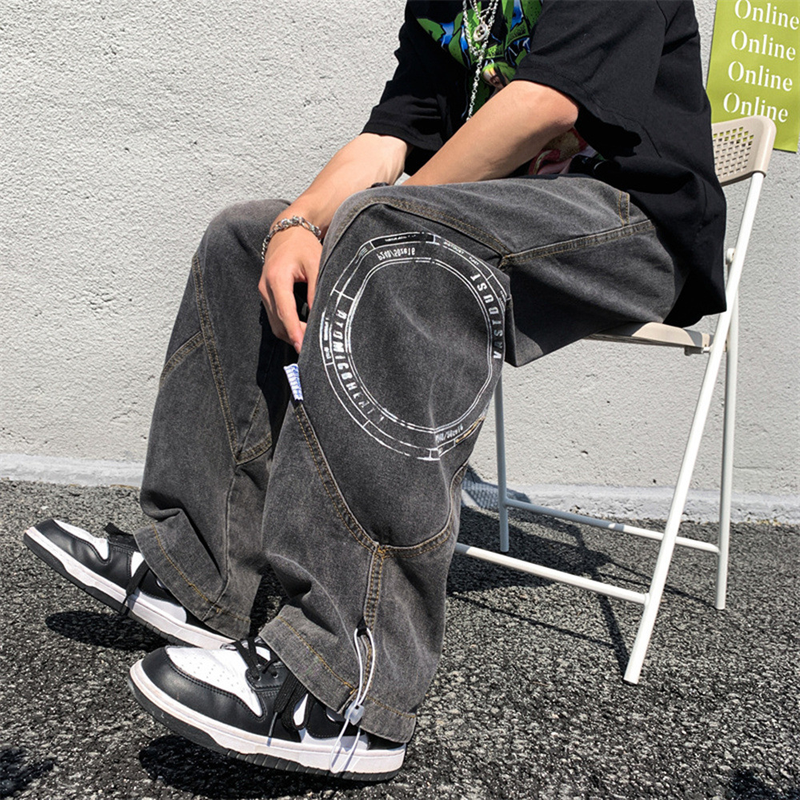
A practical approach is to select 1 “hero wash” for marketing, then keep the rest of the line in a simplified wash family (rinse, stonewash, light enzyme). This is especially helpful when you’re producing custom denim jeans plus a companion Custom Denim Jacket or Custom Denim shirt program—because wash matching across product types becomes a major quality expectation.
Step 6: Build QC checkpoints into contract
Quality failures are expensive twice: you pay for defects, then you pay again in returns, chargebacks, and lost reviews. To save money long-term, quality control must be contractual and measurable.
Build your QC system around checkpoints: – On-site material inspection (fabric defects, shade banding) – Inline inspection at critical operations (waistband set, zipper, pocket attach) – Finished product inspection against your measurement tolerances – Traceability (batch tracking so recurring issues can be isolated quickly)
Sky Kingdom publicly presents a quality control framework including raw-material traceability identification, on-site material inspection, QA/QC inspectors, finished product inspection, and quality traceability support. If you’re sourcing as a jeans supplier relationship rather than a one-off buy, insist that these checkpoints map to your production timeline and that failed lots trigger corrective actions before packing.
Also add practical documentation: a measurement spec sheet, wash reference photos, and a signed golden sample approval record.
7: Plan reorders with demand data
Reorders are where you turn denim from a risky bet into a scalable system. Instead of placing a single large order, place a smaller first batch, then reorder based on demand signals (sell-through, returns by size, ad performance, and color preference).
Use a reorder calendar that matches how denim sells: – Week 1–2: initial drop, gather sizing/fit return notes – Week 3: reorder decision on winners – Week 4+: replenish best sizes first (often 28–34 or your brand’s core run)
Sky Kingdom positions itself around quick response and flexible aggregated solutions with a digitalized supply chain. For jeans manufacturers in china that can support fast replenishment, your savings comes from avoiding overbuying and minimizing end-of-season markdowns.
To keep reorders cheaper, don’t change fabrics or trims between runs unless performance requires it—consistency reduces setup and prevents shade mismatch.
Adapting Your Approach in Different Scenarios
Launching a new brand: prioritize low MOQ above all. Your main savings lever is learning fast, not ordering big. Choose 1–2 silhouettes, keep denim jeans washes simple, and focus on getting fit right before expanding.
Viral trend surge: build a rapid re-order pipeline. Keep a “ready to reorder” BOM (fabric + trims) and a pre-approved wash reference so you can move quickly without reopening approvals.
Premium positioning: tighten QC and trims. Use stricter measurement tolerances, require more inline checks, and choose higher-perceived-value hardware even if you keep wash costs controlled.
Sustainability focus: use EIM and a “zero-chemical” roadmap. Align your materials and wash choices early so your claims remain consistent across custom jeans and outerwear such as Custom Denim Jacket drops.
What You’ll Need Before You Start
Required Tools & Materials
To save time and prevent cost creep, prepare these before contacting a custom jeans factory or denim jeans suppliers shortlist. Bring a tech pack or strong references, plus a clear target for MOQ and lead time. Have your size chart ready with garment measurements (not body measurements) and include tolerance ranges so sampling doesn’t drift. Provide branding files for labels, hangtags, and packaging, and prepare wash reference photos or physical swatches whenever possible. Finally, document your compliance requirements (for example BSCI/WRAP expectations and OEKO-TEX constraints) so no one backtracks after sampling.
Troubleshooting Guide
When costs spike or timelines slip, the root cause is usually uncontrolled variation—too many materials, unclear wash standards, or missing checkpoints.
| Problem | Cause | Solution |
| High quote from a jeans supplier | Too many custom fabrics, trims, and washes in one drop | Standardize to 1–2 core denims, reuse hardware, and reduce wash families to 3 max |
| Sample doesn’t match expected wash | Vague references or no “golden” standard | Send wash photos + swatches, approve a golden sample, and require bulk to match it |
| Fit varies between sizes | Incomplete grading rules or unclear tolerances | Provide graded spec with tolerances (e.g., ±0.5 cm key points), require measurement report |
| Unexpected defect rate in bulk | QC happens only at the end | Add inline checkpoints (zipper set, waistband, pocket attach) plus AQL-based final inspection |
| Late delivery on restocks | Capacity not reserved and reorder timing is reactive | Build a reorder calendar, pre-book fabric, and keep trims consistent across runs |
Frequently Asked Questions
Start by reducing change orders: lock your fabric, trims, and wash references before sampling so you don’t pay for repeated revisions. Next, implement a low-MOQ approach to avoid overbuying and markdown losses—this often saves more than focusing only on negotiating the unit cost.
For example, partnering with a manufacturer that supports flexibility, such as Sky Kingdom, where the minimum order quantity (MOQ) starts from 30 pieces across all designs for each order, is key to managing risk. Consolidate materials across multiple SKUs so your factory can run more efficiently and make fewer mistakes. Finally, contract clear Quality Control (QC) checkpoints so defects don’t escalate into returns and chargebacks.
Use Original Equipment Manufacturing (OEM) if you already possess strong tech packs, proven fits, and clear wash standards. OEM is ideal when your goal is to have your exact design executed consistently.
Use Original Design Manufacturing (ODM) when speed is a priority, you require trend-aligned silhouettes, or you need assistance building tech packs and sourcing materials from the ground up. Many brands, including those partnered with manufacturers like Sky Kingdom, which offers both OEM and ODM services, utilize a combination of the two approaches: ODM for early concepting and silhouettes (leveraging their focus on collections like Nostalgia & Y2K and Gender Fluidity / Unisex), then OEM for scaling successful repeat styles,. The goal is to choose the model that reduces rework and accelerates approvals, as that is where cost savings compound.
Build quality expectations into your contract and timeline, not just into a final inspection. Require raw material checks (such as shade banding and fabric defect verification), inline inspections during critical sewing operations, and finished measurement verification against your established tolerances.
Always approve a golden sample and require bulk production to match it for both wash and hand-feel. If issues appear during production, you must stop packing and trigger corrective actions immediately, as fixing problems before shipping is far cheaper than handling customer returns. Selecting an exporter partner, like Sky Kingdom, that emphasizes a repeatable system defined by QC and operational fit is vital. A partner that integrates quality control with export preparation reduces the risk of costly receiving problems and customer-facing delays
Yes, and consolidating production with one supplier can reduce overall costs if you standardize fabrics, thread colors, and wash families across your collection. The main consideration is construction complexity: jackets often demand heavier stitching and more hardware, while shirts emphasize comfort and drape.
Ask your factory to align wash recipes so the jacket and shirt appear cohesive within the same drop. Keeping your labeling and branding placements consistent also helps to simplify production and packaging. Manufacturers like Sky Kingdom are prepared to be a comprehensive partner, supporting Custom Denim Jacket programs alongside custom denim jeans and general denim clothing manufacturing.
“Almost right” usually means your references aren’t specific enough or your tolerances aren’t defined. Provide annotated photos, exact measurement targets, and a ranked list of priorities (fit first, then wash, then details). Approve in stages: confirm fit on a simple wash first, then add the final wash effects once the pattern is locked. This reduces back-and-forth and prevents paying for repeated wash experiments.
Conclusion
To save on denim purchasing costs, focus on systems: define specs upfront, choose a low-MOQ model, consolidate materials, validate with fast sampling, simplify washes, and enforce QC checkpoints. Then scale with data-driven reorders instead of big speculative buys. Done well, you protect both your margins and your customer experience while still moving fast.
If you’re building a new denim jeans line—or scaling custom jeans plus jackets and shirts—start your process with Sky Kingdom’s OEM/ODM manufacturing workflow and align your first drop around repeatable inputs and clear approvals.
Contact us now: https://www.skykingdom.com/lxwm