
Companies that invest in robust quality control processes report defect rate reductions of up to 50%, yet the sourcing model you choose significantly impacts these results[^1]. Fashion brands face a critical decision: work directly with clothing manufacturers or source through Alibaba suppliers. Each approach offers distinct quality control advantages and challenges that directly affect product consistency, brand reputation, and long-term profitability.
SkyKingdom, a nationally recognized digital factory serving global DTC brands with 5G IoT production lines and real-time data tracking, has partnered with major retailers like Boohoo for over a decade by delivering transparent, manufacturer-level quality control that reduces defect rates through systematic inspection protocols[^2]. Understanding the quality control differences between direct manufacturers and Alibaba suppliers empowers brands to make informed sourcing decisions aligned with their quality standards and growth objectives.
Quick Answer: Which Sourcing Model Offers Better Quality Control?
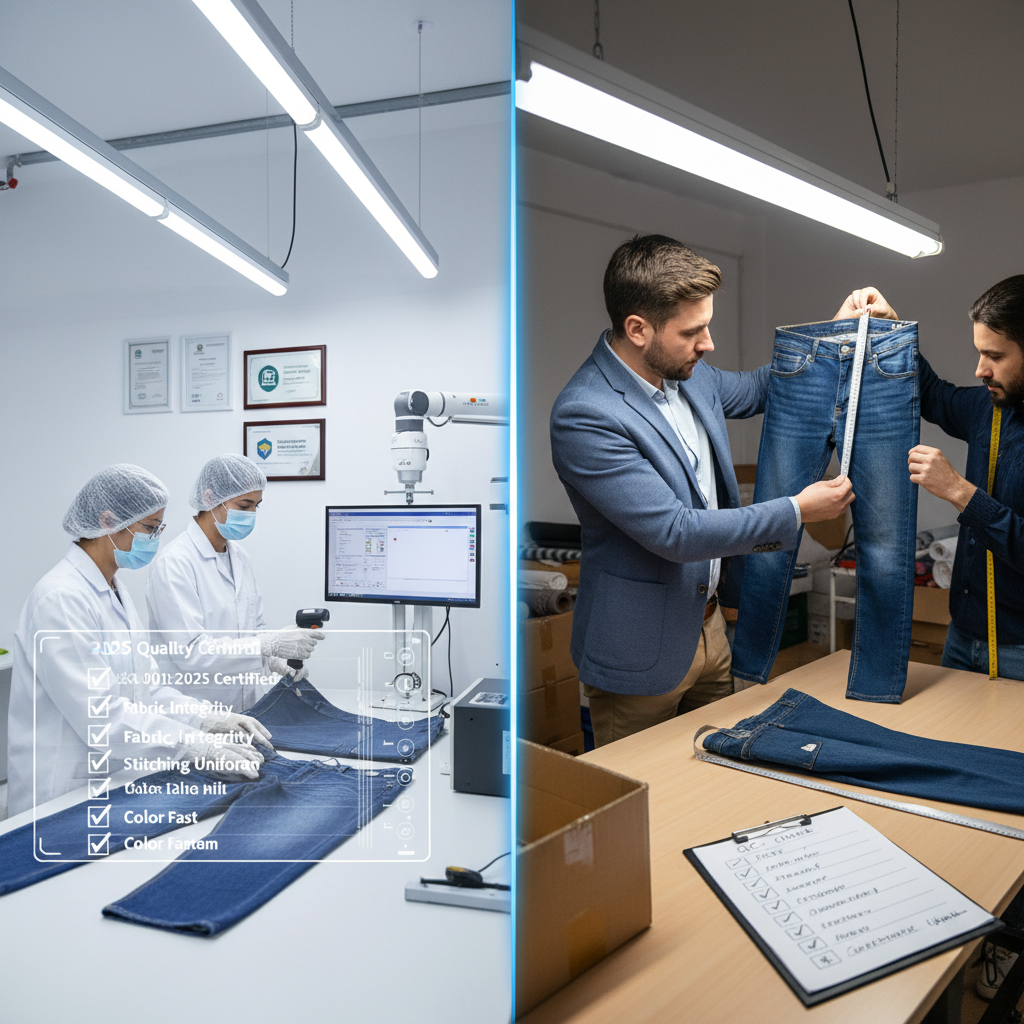
Direct clothing manufacturers typically provide superior quality control compared to Alibaba suppliers because they offer end-to-end production oversight, dedicated quality teams, third-party certifications, and direct accountability for defect management throughout the manufacturing process[^1][^2].
While Alibaba suppliers can vary significantly in quality capabilities—with defect rates reported at 20-40% for unverified suppliers versus 5-10% for audited manufacturers—direct manufacturers like SkyKingdom implement comprehensive inspection protocols at material intake, in-process checkpoints, and final audits, achieving defect rates consistently below 2%[^3][^4].
Quality Control Comparison: Manufacturers vs Alibaba Suppliers
| Quality Control Factor | Direct Clothing Manufacturers | Alibaba Suppliers | Winner |
|---|---|---|---|
| Defect Rate Range | 1-5% (certified factories) | 5-40% (varies by supplier) | Manufacturers |
| Inspection Coverage | Material + in-process + final (100%) | Final only (varies 30-80%) | Manufacturers |
| Third-Party Audits | ISO 9001, Oeko-Tex, Sedex (standard) | Optional (5-15% have certifications) | Manufacturers |
| Quality Team Presence | Dedicated on-site QC staff | Self-inspection or outsourced | Manufacturers |
| Traceability | Full production tracking systems | Limited (supplier-dependent) | Manufacturers |
| Accountability | Direct contractual control | Platform-mediated disputes | Manufacturers |
| Pre-Shipment Inspection | Included in service | Additional cost ($200-500) | Manufacturers |
Sources: Hi-Style Industry Report[^1], FreightAmigo Alibaba QC Guide[^3], SkyKingdom Production Standards[^2]
Direct Clothing Manufacturers: Quality Control Strengths
Comprehensive Inspection Protocols
Direct manufacturers implement multi-stage quality control systems covering incoming materials, in-process monitoring, and final product audits, ensuring defects are caught before production scales[^1][^2].
SkyKingdom’s digitalized workflow includes real-time tracking through 5G IoT production lines, enabling brands to monitor quality metrics at every stage from fabric inspection to finished garment packaging. Manufacturers conduct incoming material inspections to verify fabrics and trims meet predefined specifications, preventing costly downstream issues[^1]. In-process checks monitor garment assembly—including stitching quality, fit, and construction—ensuring adherence to quality control standards throughout production[^1].
Final product testing evaluates functionality, durability, and visual appeal before shipping, with detected flaws addressed immediately. Manufacturers maintain comprehensive documentation of inspections and tests, promoting accountability and continuous improvement[^1]. Automated systems like vision inspection tools detect fabric defects, stitching errors, and color inconsistencies with precision, reducing human error while expediting inspections[^1].
Certifications and Compliance
Leading clothing manufacturers hold third-party certifications including ISO 9001 for quality management, Oeko-Tex for textile safety, Sedex for ethical production, and BSCI for social compliance, providing independent verification of quality systems[^2][^5].
SkyKingdom has earned high-score verification from internationally recognized certification bodies, demonstrating compliance with labor rights standards (prohibition of child labor, forced labor, discrimination), health and safety protocols (workplace safety, protective equipment, emergency measures), environmental protection (compliant disposal of waste, reduction of pollution), and business ethics (anti-corruption, information transparency)[^2]. These certifications require regular audits and documentation that Alibaba suppliers rarely provide without significant additional costs.
In 2025, garment manufacturing emphasizes precision, consistency, and sustainability through smart sensors and computer vision embedded across manufacturing floors to detect faults in real time[^5]. Companies investing in robust quality control processes report defect rate reductions of up to 50% by identifying defects during production, avoiding the expense of reworks, returns, and reputational damage[^1].
Production Transparency and Control
Direct manufacturers offer brands complete visibility into production processes through factory visits, real-time progress updates, and direct communication with quality teams, enabling proactive issue resolution[^2].
SkyKingdom’s digitalized workflow means clients always know where production stands, with sample turnaround in 3-7 days and bulk production in 15-22 days—30% faster than traditional factories thanks to AI-integrated hanging systems[^2]. This level of transparency contrasts sharply with Alibaba’s platform model, where brands often lack direct factory access and rely on third-party intermediaries for quality updates.
Manufacturers provide dedicated account managers and quality specialists who understand brand requirements and maintain consistency across repeat orders. Direct relationships foster long-term partnerships that incentivize manufacturers to maintain high standards, whereas Alibaba’s transactional marketplace structure prioritizes volume over relationship building.
Alibaba Suppliers: Quality Control Challenges
Variable Quality Standards
Alibaba suppliers range from verified factories with robust quality systems to trading companies with limited production oversight, creating inconsistency that requires extensive vetting and inspection investment[^3][^4].
Defective goods cause 20-30% of import rejections according to WCO data, with Alibaba’s vast supplier network requiring rigorous checks for consistency[^3]. Industry veterans report only 5% of Chinese factories consistently maintain high-quality systems, with the rest fluctuating depending on order volume and production pressures[^4]. Alibaba suppliers often accept AQL (Acceptable Quality Level) limits of 2.5 for major defects, while direct manufacturers routinely achieve below 1.0 AQL through systematic controls[^3].
Common issues include sample variations from bulk production, where approved samples don’t match final shipments, leading to 25-40% rejection rates for unvetted suppliers[^4]. Suppliers may skip pre-shipment inspections to reduce costs, over-rely on self-checks without third-party verification, and neglect certifications required for EU/US compliance[^3].
Limited Inspection Infrastructure
Most Alibaba suppliers lack dedicated quality control teams, relying instead on factory self-inspections or requiring brands to arrange and fund third-party inspections at additional costs of $200-500 per order[^3][^4].
While verified Alibaba suppliers with Gold status and Audited Factory badges provide some quality assurance, even these designations don’t guarantee consistent inspection coverage. Brands must implement their own quality control processes when sourcing on Alibaba, including pre-sourcing audits to verify supplier credentials, sample ordering (5-10 samples with detailed specs), factory inspections (on-site or virtual audits), pre-shipment inspections (checking 80% of order before packing), and lab testing for material compliance[^3].
A 2025 case study showed a US electronics importer reduced defects by 40% via hybrid inspections when sourcing through Alibaba, but only after investing in third-party inspection services and negotiating tighter quality agreements—costs and complexities avoided when working with direct manufacturers[^3].
Accountability and Dispute Resolution
Alibaba’s platform-mediated dispute system creates delays and complications when addressing quality failures, whereas direct manufacturer relationships provide immediate accountability and faster resolution[^3][^4].
When Alibaba suppliers deliver defective products, brands must document issues through photos, negotiate fixes or deductions through platform messaging, and potentially escalate to Alibaba’s dispute resolution—a process that can take weeks while inventory sits idle[^4]. One Amazon seller reported receiving 40% defective products from an Alibaba manufacturer, leading to order cancellation and significant financial losses[^4].
Direct manufacturers like SkyKingdom maintain direct contractual relationships that specify defect rate tolerances (typically <2%), replacement terms, and expedited resolution protocols. Brands can work directly with factory quality managers to address issues in real-time rather than navigating platform bureaucracy[^2].
How Quality Control Systems Work: Manufacturer Best Practices
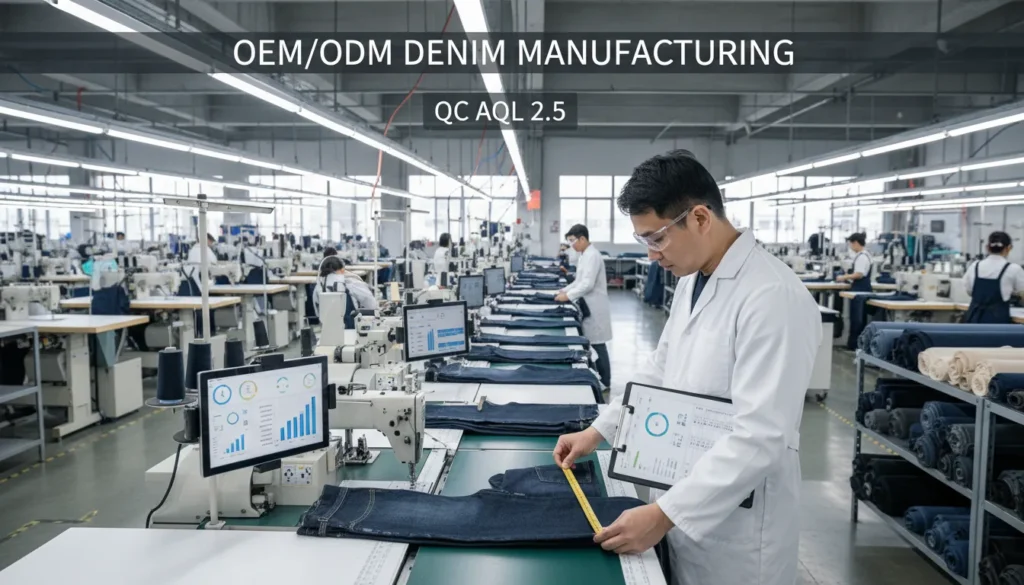
Leading clothing manufacturers implement seven-stage quality control systems that systematically eliminate defects from raw material inspection through final packaging[^1][^2].
Stage 1: Material Inspection
Incoming fabrics and trims undergo testing for composition, colorfastness, strength, and shrinkage before entering production. Manufacturers evaluate durability, stitch strength, and functionality to ensure materials meet specifications[^1]. SkyKingdom’s material inspection protocols prevent costly downstream issues by rejecting non-compliant inputs before cutting begins[^2].
Stage 2: Pattern and Sample Approval
Manufacturers create physical samples for brand review, incorporating feedback before bulk production. Sample turnaround at SkyKingdom ranges from 72 hours (VIP channel) to 3-5 working days (standard) to 7 days (complex designs)[^2]. This iterative process ensures alignment on fit, construction, and aesthetics.
Stage 3: In-Process Quality Checks
During production, quality teams monitor cutting accuracy, stitching consistency, seam strength, and component alignment. Regular inspections at assembly stages address defects in real-time before they propagate through production[^1]. Smart sensors and computer vision embedded across manufacturing floors detect faults automatically[^5].
Stage 4: Mid-Production Inspection
At 20-80% production completion, independent quality audits verify adherence to specifications and identify any trending issues requiring corrective action[^1][^3]. This checkpoint prevents large-scale defects from reaching final stages.
Stage 5: Final Product Testing
Finished garments undergo rigorous testing including functionality checks (zippers, buttons, closures), durability assessment (stitch strength, seam integrity), shrinkage testing (confirming garments retain shape after washing), and aesthetic evaluation (color consistency, print alignment, overall appearance)[^1]. Any detected flaws are addressed before packaging.
Stage 6: Pre-Shipment Inspection (PSI)
Independent third-party inspectors or internal quality teams check 80% of the final order using AQL standards, typically targeting 1.0-2.5 for major defects[^3]. PSI adds 2-5 days to timelines but prevents delays from reworks and customer returns[^3].
Stage 7: Packaging and Shipping Quality
Final checks ensure proper folding, packaging integrity, carton labeling accuracy, and compliance with shipping standards (IATA/IMO for international freight)[^3]. Quality documentation accompanies shipments for traceability.
Cost Implications of Quality Control Models
Direct Manufacturer Quality Costs
Quality control costs are typically integrated into manufacturer pricing (representing 3-7% of total cost), eliminating surprise expenses while ensuring comprehensive inspection coverage[^1][^2].
SkyKingdom’s pricing includes dedicated quality staff, inspection equipment, certification maintenance, and documentation systems as standard services. Brands gain predictable costs and avoid the fragmented fee structure common with Alibaba sourcing. Manufacturers amortize quality investments across large production volumes, offering better value than brands funding individual inspections per order.
Alibaba Supplier Quality Costs
Brands sourcing through Alibaba must budget for third-party inspection services ($200-500 per order), lab testing ($100-300 per material type), factory audits ($500-1,500 annually), and potential defect remediation (5-15% of order value for reworks or replacements)[^3][^4].
These fragmented costs add 8-20% to total sourcing expenses when aggregated across a year of orders. Additionally, quality failures create indirect costs including customer returns (averaging 25% for fashion brands with poor QC), reputational damage from negative reviews, lost sales during out-of-stock periods while resolving issues, and expedited shipping fees to replace defective inventory[^3].
Industry Expert Perspective on Quality Control
“In 2025, garment manufacturing is entering a new era—defined by precision, consistency, and sustainability. Quality control, once reliant on manual inspections, now leverages automation, real-time data analysis, and predictive analytics to maintain high quality control standards efficiently.”[^5]
“Effective quality control leads to significant cost savings. By identifying defects during production, manufacturers avoid the expense of reworks, returns, and reputational damage. Companies that invest in robust quality control processes report defect rate reductions of up to 50%.”[^1]
When to Choose Direct Manufacturers vs Alibaba Suppliers
Choose Direct Clothing Manufacturers When:
- Quality consistency is critical to brand positioning
- Production volumes justify manufacturer MOQs (typically 300+ units per style)
- Long-term supplier relationships support repeat orders
- Third-party certifications are required for compliance
- Direct communication with production teams is essential
- Real-time production tracking reduces supply chain risk
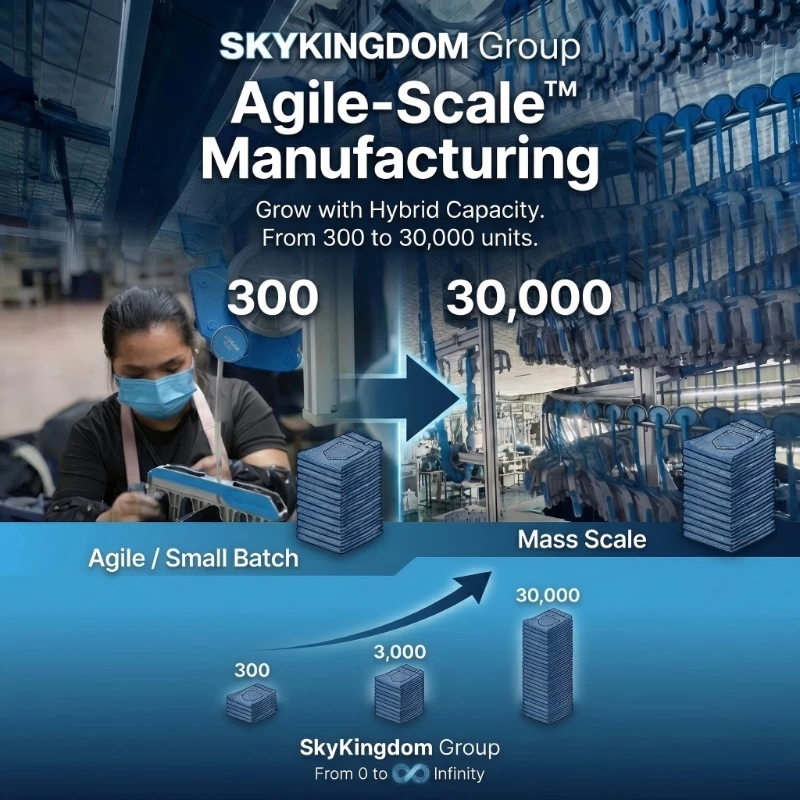
SkyKingdom’s flexible MOQ (starting at 30 pieces) and hybrid capacity (300 to 30,000 units) make manufacturer-level quality control accessible to emerging and established brands[^2].
Consider Alibaba Suppliers When:
- Testing new product concepts with very small quantities (10-50 units)
- Budget constraints prioritize lowest unit cost over quality assurance
- Brand team has quality control expertise to manage inspection processes
- Willing to invest time vetting suppliers and negotiating quality terms
- Product category has lower quality sensitivity (non-apparel accessories)
FAQ
Q: What defect rate is acceptable for clothing manufacturers?
A: Direct clothing manufacturers with certified quality systems typically achieve defect rates of 1-2% for major defects and 3-5% for minor defects, compared to 5-15% for verified Alibaba suppliers and 20-40% for unverified suppliers[^1][^3][^4].
Q: Do Alibaba suppliers provide the same certifications as direct manufacturers?
A: Only 5-15% of Alibaba suppliers hold third-party certifications like ISO 9001, Oeko-Tex, or Sedex, whereas these certifications are standard for established direct manufacturers[^2][^3]. Brands must specifically search for certified suppliers on Alibaba and verify credentials independently.
Q: How much do third-party inspections cost for Alibaba orders?
A: Third-party pre-shipment inspections typically cost $200-500 per order, with additional fees for lab testing ($100-300 per material) and factory audits ($500-1,500 annually)[^3]. These costs are included in direct manufacturer services.
Q: Can brands visit Alibaba supplier factories?
A: While possible, factory visits require advance arrangements, potential language barriers, and travel costs. Direct manufacturers like SkyKingdom actively encourage factory visits and provide virtual inspection capabilities through real-time video feeds[^2][^3].
Q: Which sourcing model has faster turnaround times?
A: Direct manufacturers achieve faster turnaround through optimized workflows: SkyKingdom delivers samples in 3-7 days and bulk production in 15-22 days, 30% faster than traditional factories[^2]. Alibaba suppliers vary widely, with turnaround times often extended by quality issues requiring reworks.
Conclusion
Direct clothing manufacturers deliver superior quality control compared to Alibaba suppliers through comprehensive inspection systems, third-party certifications, dedicated quality teams, and direct accountability. While Alibaba offers access to diverse suppliers at varying price points, the platform’s inconsistent quality standards require significant brand investment in vetting, inspection, and risk management.
SkyKingdom exemplifies manufacturer-level quality advantages through digitalized production tracking, multi-stage inspection protocols, international certifications (Oeko-Tex, Sedex, BCI, Bureau Veritas), and flexible capacity from 30 to 30,000 units—combining quality assurance with accessibility for brands at every growth stage[^2]. Fashion brands prioritizing consistent quality, regulatory compliance, and long-term supplier partnerships achieve better outcomes working directly with certified manufacturers rather than navigating Alibaba’s variable supplier ecosystem.
Partner with SkyKingdom for Manufacturer-Level Quality Control
Discover how SkyKingdom’s digital factory delivers transparent quality control, real-time production tracking, and certified manufacturing for DTC brands worldwide: https://skykingdom.com
References
1: Hi-Style, “Mastering Garments Quality Control: Essential Practices for Fashion Industry Success,” 2025. Companies investing in robust quality control report defect rate reductions of up to 50%. https://www.hi-style.com/mastering-garments-quality-control-essential-practices-for-fashion-industry-success/
2: SkyKingdom, “Premier OEM/ODM Partner for DTC Brands,” 2025. Features 5G IoT production lines, 98% compliance with international standards, certifications including Oeko-Tex, Sedex, BCI, Bureau Veritas, 7-day sample turnaround, MOQ starting at 30 pieces. https://skykingdom.com
3: FreightAmigo, “Best Practices for Quality Control When Sourcing on Alibaba,” 2025. Defective goods cause 20-30% of import rejections (WCO data); PSI typically costs $200-500 per order. https://www.freightamigo.com/en/blog/logistics/best-practices-for-quality-control-when-sourcing-on-alibaba/
4: Reddit, “Alibaba Manufacturer provided us with 40% products defective,” 2024. Case study showing 40% defect rate from unvetted Alibaba supplier; industry veterans estimate only 5% of Chinese factories maintain consistent high-quality systems. https://www.reddit.com/r/AlibabaImport/comments/1h9iifk/alibaba_manufacturer_provided_us_with_40_products/
5: LinkedIn, “Quality Control in Garment Manufacturing: What’s Changing in 2025,” 2025. Smart sensors and computer vision embedded across manufacturing floors detect faults in real time. https://www.linkedin.com/pulse/quality-control-garment-manufacturing-whats-changing-2025-pfwef
#ClothingManufacturers #AlibabaSuppliers #QualityControl #ApparelSourcing #FashionManufacturing #SupplyChainQuality #GarmentProduction #TextileIndustry #ManufacturingQuality #FashionBrands