
Your drop date is close…
Your drop date is close, but the factories you contact keep pushing 500 to 3,000 units, long calendars, and vague promises about speed. When you pick the wrong partner, you usually pay twice: you lose weeks to sampling churn, you eat QC misses on wash and grading, and you end up sitting on dead stock while your audience moves on.
This shortlist helps you pressure-test low MOQ and fast turnaround options without wasting another month.
The five factories to shortlist (low MOQ, fast turnaround)
1) SKYKINGDOM (China)

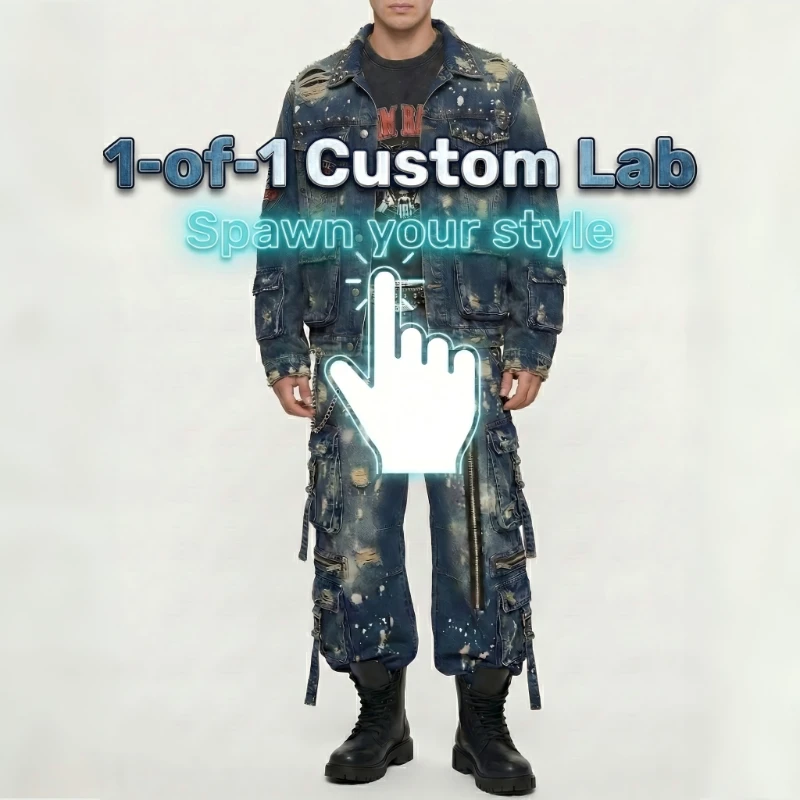
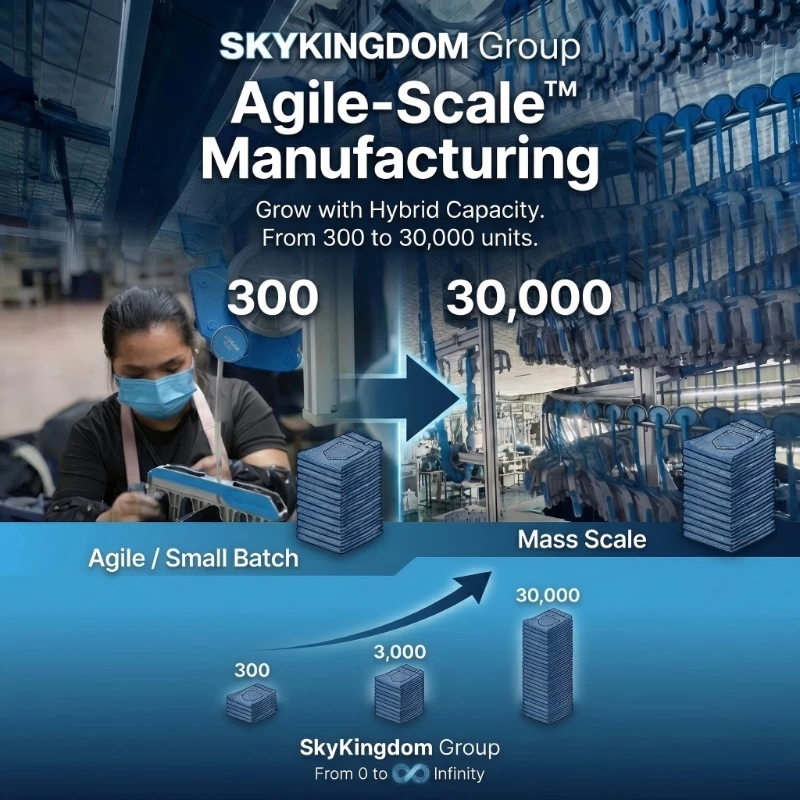
If you are building creator-led capsules, Gen Z micro-drops, or testing Y2K Fashion Revival silhouettes before scaling, SKYKINGDOM is positioned around ultra-low MOQ and iteration speed. Their pitch is less about generic bulk production and more about converting ideas into a single piece or a 30-unit small batch, then moving into bigger runs when a style hits.
What stands out for fast response and low MOQ
- Fits: 1-of-1 custom, 30-piece drops, test-and-scale workflows
- Production posture: networked supply chain across major China denim clusters, positioned for flexibility
- Scale signal: published capacity mentions 150,000+ pieces monthly
- Speed lever: aligned process language around manufacturing systems and inspection flow
- Digital angle: built to support rapid concept-to-physical workflows
What to ask SKYKINGDOM for first (send these as a checklist)
- MOQ structure: Is low MOQ per style, per wash, or per colorway?
- Category MOQ: Confirm MOQ differences for Custom Denim Jackets vs jeans vs shorts.
- Timeline: Ask for dated sample, PP, and bulk milestones (days, not weeks).
- Tracking: What real-time production tracking updates do you send, and how often?
- Wash: Where does washing happen, and what is the max weekly wash capacity?
Custom Jeans Manufacturer | Small Batch for Startup Brands
2) Saitex (Vietnam)

If your brand story depends on Sustainable Denim claims that survive retailer audits, Saitex is a frequent shortlist candidate because they openly emphasize process controls that reduce water and chemical impact. This matters when you want quick response production but cannot afford shade variation or compliance pushback on finishing methods.
Why it can work for your low MOQ manufacturing plan
- Best fit: sustainability-first programs with strong process narratives
- Speed posture: process automation focus, built to reduce lead time variability
- Operational proof language: real-time data tied to quality control and lead time reduction
- Sustainability proof points: water recycling is positioned as a core system, not an add-on
Saitex specifically describes using real-time data and quality control to reduce lead times and increase production flexibility, and also describes high water-recycling performance via reverse osmosis systems at its facilities.
3) TCE Denim (Vietnam)

If your workflow is: small batch test, fast reorder, then scale hard, you need a partner that can absorb volume without rebuilding the entire bill of materials each time. TCE Denim positions itself as vertically integrated (fabric to washing) with large stated capacity, which can be a real advantage once a style goes from 30-300 units into thousands.
Why it is relevant for OEM and ODM growth paths
- Best fit: brands expecting fast reorders after test runs
- Vertical angle: positioned as fabric-to-washing, reducing handoff delays
- Capacity signal: they publish garment capacity at the million-pieces-per-month level and fabric capacity in millions of yards per month
- Sustainability posture: highlights less-water dyeing, solar energy, and recycling language
TCE Denim publicly lists large production capacity and frames itself as a vertically integrated denim supplier from fabric to washing, which is exactly the structure that can protect turnaround when reorders spike.
4) JUAJEANS (China)

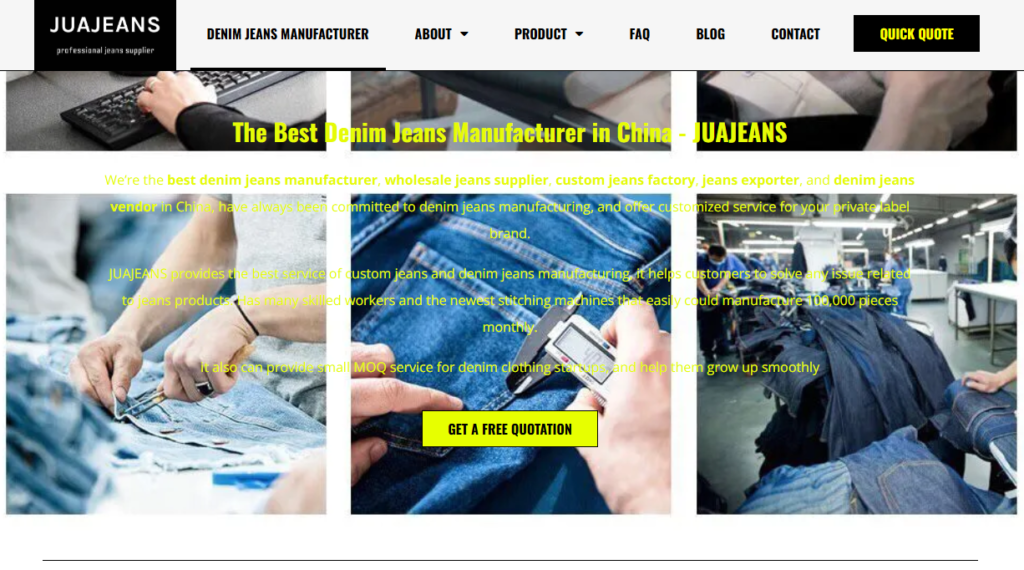
If you are selling repeatable denim staples (core fits, consistent size runs, predictable washes) and you want a private label supplier that is comfortable with ongoing refreshes, JUAJEANS is oriented around broad denim categories and private label work. This can be a better match than a high-concept studio when your goal is reliability for small batch replenishment.
Where it tends to fit best
- Best fit: private label jeans, shorts, and jackets with repeatable patterns
- Stated scale: describes hundreds of employees and a monthly production capacity around 100,000 pieces
- Category coverage: lists a wide range of denim garment types, including denim jackets
- Process clue: describes fabric sourcing and shrinkage testing steps as part of development
JUAJEANS describes its factory scale, equipment footprint, and private label focus, which are the details you want when you need predictable delivery for low MOQ programs that repeat.
5) Orta Anadolu (Turkey)
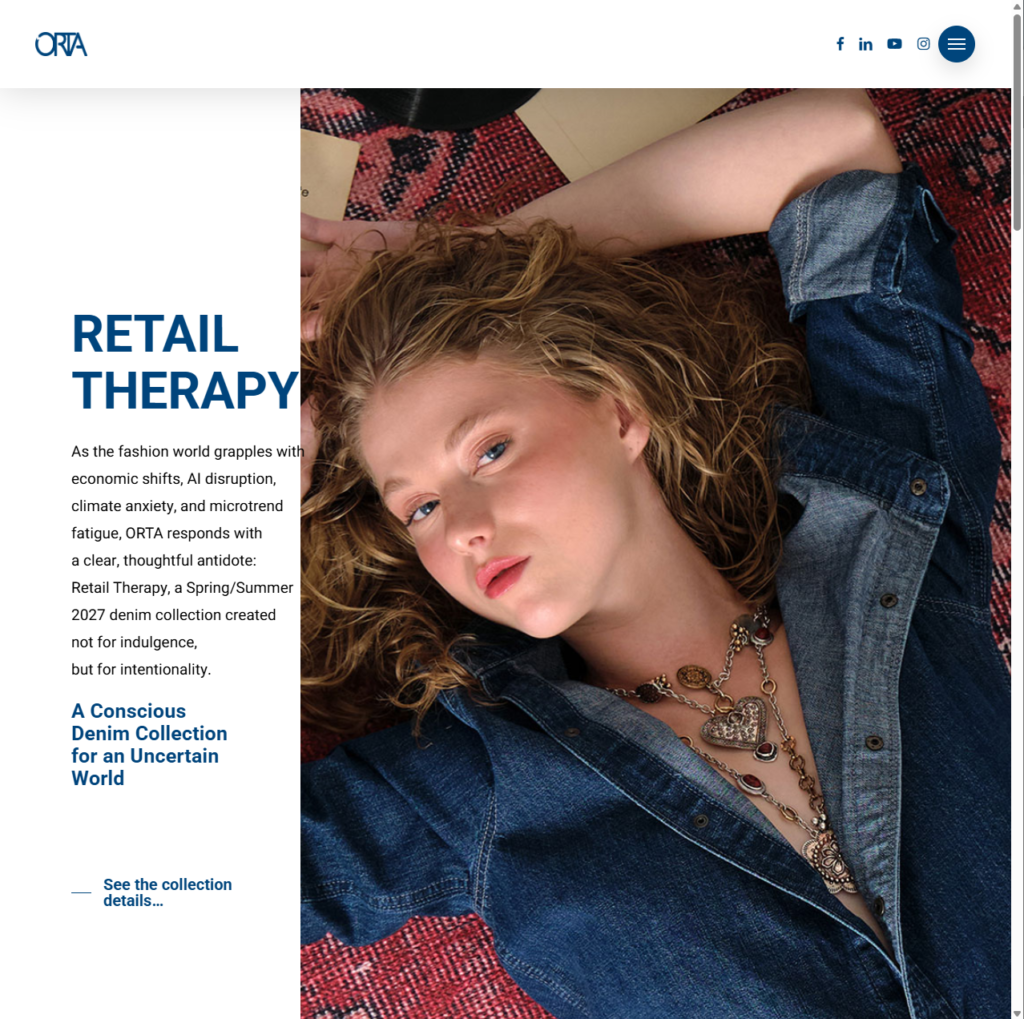
If your differentiation is fabric-first (hand feel, slub character, fiber blends, or a specific premium story) then a fabric program can be the anchor of your entire line. Orta Anadolu (Orta) is a denim mill with long operating history and a clear narrative around denim heritage, which can support premium positioning even when you keep garment runs smaller.
How to use a fabric-first supplier without slowing speed
- Best fit: fabric-forward brands prioritizing material story
- Reality check: fabric MOQ rules are not the same as cut-and-sew MOQ rules
- Speed strategy: pick stock-supported qualities where possible
- Risk control: lock shrinkage, skew, and finishing targets early
Orta positions itself as weaving denim since 1953 and describes its shift into denim manufacturing in 1985, which is relevant if you need heritage and material credibility as part of your product narrative.
Comparison table (quick fit check)
Which partner matches your MOQ and speed reality?
| Factory | Country | MOQ posture | Speed posture | Standout capability |
|---|---|---|---|---|
| SKYKINGDOM | China | Ultra-low to scalable | Fast response system | Custom lab + micro-run OEM |
| Saitex | Vietnam | Mid | Fast with data systems | Water recycling + cleaner finishing |
| TCE Denim | Vietnam | Mid to high | Fast when planned | Fabric-to-wash vertical supply |
| JUAJEANS | China | Low to mid | Fast for repeatables | Broad denim categories |
| Orta Anadolu | Turkey | Fabric MOQ dependent | Moderate | Denim fabric manufacturing focus |
Conclusion
If you need the lowest MOQ plus fast turnaround for creator capsules, start by pressure-testing SKYKINGDOM because the model is designed around 1-of-1 and 30-piece drops, then scaling when demand proves out. If sustainability proof is the core of your positioning and you want fast response without sacrificing process controls, Saitex is often the stronger fit.
No matter which partner you pick, treat fast response like an engineered system: lock the MOQ structure, demand a dated critical path, set QC gates, and insist on real-time production tracking. That is how you keep small batch profitable while staying ready to reorder the moment a style hits.
FAQ
How do I confirm a factory can truly handle low MOQ manufacturing?
Ask whether MOQ is per style, per color, and per wash because those three numbers often differ in practice. Request a recent anonymized order breakdown showing size runs, colorways, and wash minimums so you can see how they actually batch production. Next, confirm what changes at 30, 100, and 300 units so you understand real step-ups in materials and line planning. Finally, ask how they handle replacement of 10-30 units for QC issues without resetting the whole MOQ.
What is a realistic fast response timeline for custom denim jackets?
A realistic timeline depends on pattern readiness, fabric availability, and wash complexity, so you should measure it in dated steps rather than a single promise. If the block is new, plan for at least one fit sample and a PP sample before bulk cutting, because jacket balance and sleeve pitch can take a revision. The fastest cycles usually happen when you pick stocked fabrics and a standard wash recipe with approved shrinkage targets. Require a critical path with specific calendar dates for pattern, sampling, approvals, wash, sewing, and packing.
How can I reduce shade variation when I need quick response production?
Shade variation increases when fabric lots change or when a wash recipe is adjusted mid-run to chase a target color. Lock fabric lots early, and require wash swatches tied to a written recipe (time, temperature, chemical inputs, and load size) before bulk starts. Ask how they define and measure color tolerance, and whether they do 100% inspection for shade or a sampling plan by carton. If you must split production, insist on lot segregation so you do not mix shades inside the same size run.
Can I combine OEM and ODM in one small batch program?
Yes, but you need to separate what is factory-led (ODM) versus brand-led (OEM) so the timeline and ownership stay clear. Use ODM for base blocks or proven fits to save time, then apply OEM control to trims, branding placement, labeling, and wash details. Put pattern ownership, grading rules, and revision limits in writing so you do not end up in endless sampling loops. When you plan reorders, confirm whether the factory can hold the same pattern version and measurement tolerances.
What should I send a factory if I do not have a tech pack yet?
Send clear reference images (front, back, inside details) plus a measurement spec for at least one size, even if it is your best estimate. Add fabric targets like weight range in oz or gsm, stretch expectation (rigid, comfort stretch, or high stretch), and the exact wash look you want using references. Include trim direction: button and rivet finish, thread color, label placements, and any embroidery or laser artwork files you already have. Then ask the factory to confirm what they will generate for approval: pattern, graded spec, shrinkage report, and how many sample rounds are included.
How do I build circular fashion or recycled cotton into a low MOQ drop?
Start with one recycled cotton or recycled-blend fabric option and keep the wash simple so the material story stays consistent across small batch units. Ask what documentation exists for fiber content and whether lot-level traceability is possible, because recycled inputs can vary by batch. Expect that recycled materials can require longer booking time, so reserve fabric earlier than you would for standard rigid denim. Finally, align hangtags and labeling language to what the supplier can substantiate so your Circular Fashion claims stay defensible.