
Introduction
Fast-Fashion Denim lives or dies on timing. If your denim OEM or ODM partner needs weeks to confirm feasibility, you will miss the trend window and end up with dead inventory.
A fast response manufacturing setup reduces risk because you can test new washes, silhouettes, and trims in a small batch, then scale only what sells. That is the core logic behind Low MOQ Manufacturing and On-Demand Manufacturing.
Official website: Sky Kingdom
Vet Denim OEM and ODM Partners Step by Step
Step 1: Define your speed-to-market target
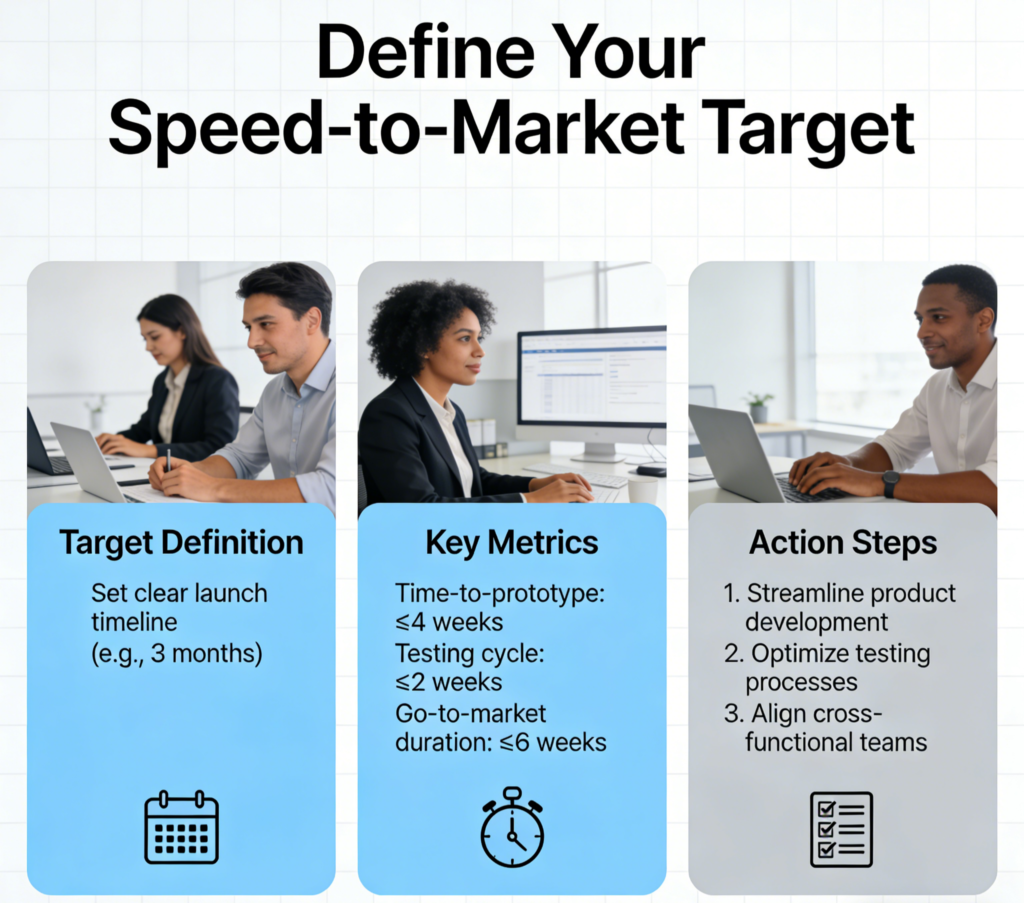
Start by writing down two timelines: sample and bulk. Then turn them into approval gates.
- Set a sample target such as 3-5 working days for standard denim, and reserve longer windows for complex washes.
- Set a bulk target such as 15-22 days after final approval for repeatable styles.
- Add a hard deadline for pre-production (PP) approval so the factory cannot start bulk with open questions.
When you evaluate OEM and ODM partners, ask for their documented quick response benchmarks. Sky Kingdom publishes a quick response structure that includes sample windows (including a 72-hour VIP channel) and bulk windows, which helps you align internal marketing timelines with production reality.
Step 2: Match the factory model to your stage
A common mistake is choosing one factory model for every stage. Instead, pick a production mode that matches your demand uncertainty.
- 1-of-1: Best when you are proving a concept, building content, or validating a creator-led design direction.
- Micro-run: Best when you want low MOQ, controlled risk, and a drop schedule.
- Scale: Best when you already have repeatable winners and need consistent reorders.
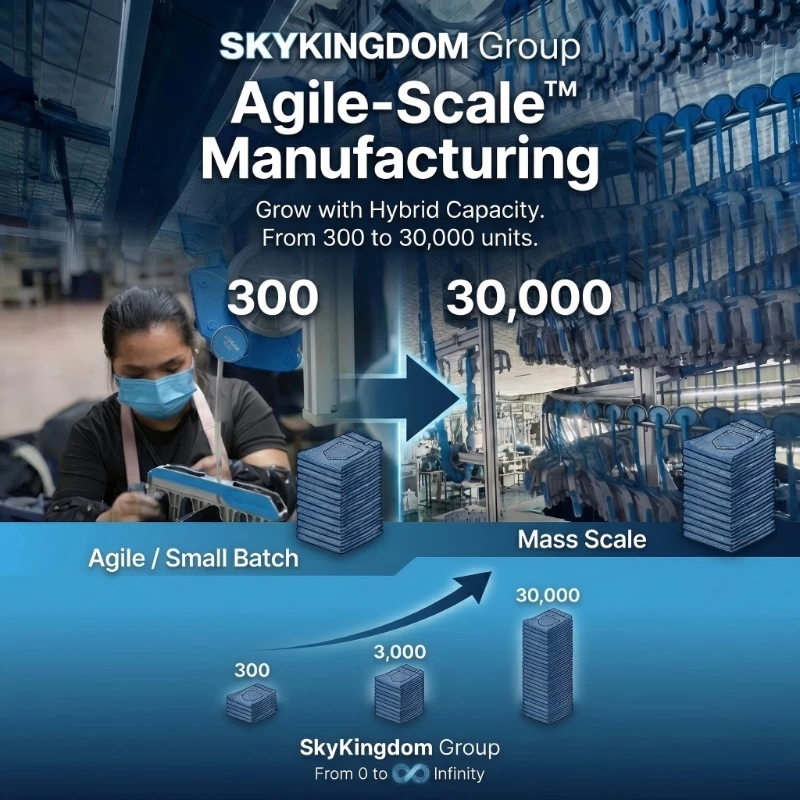
Sky Kingdom positions its manufacturing around scalable capacity, with a “Smart Line” concept that supports both smaller runs (hundreds) and larger reorders (tens of thousands). For a Flexible Supply Chain, you want proof that the factory can switch gears without breaking QC discipline.
Step 3: Request tech pack or image-based inputs
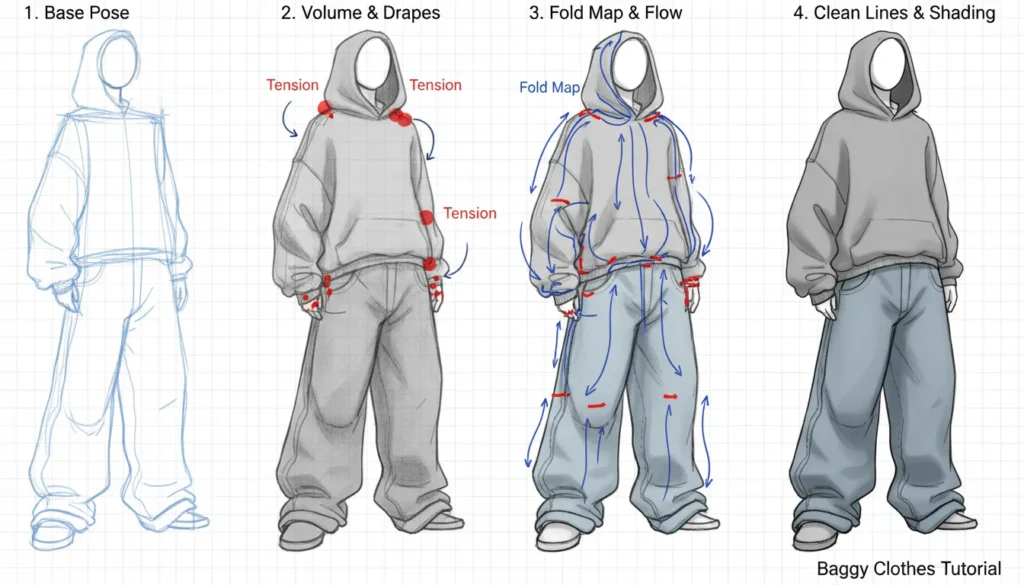
If you want quick response for trendy designs, you must reduce back-and-forth in sampling. The fastest OEM/ODM partners accept multiple input formats and can translate them into production-ready outputs.
Use this input bundle to minimize revisions:
- Tech pack when available: measurements, construction callouts, stitching specs, and wash references.
- Annotated mockups when you do not have a full pack: mark pocket placement, panel lines, and hardware.
- Image-based design inputs (renders or AI images): include front/back views, fabric intent, and trim intent.
Sky Kingdom outlines an intake workflow that starts with an inquiry and order form, then moves into design submission and sourcing. That workflow matters because it shows a repeatable path from visuals to sample sheet confirmation.
Step 4: Vet the QC system and AQL checkpoints
QC must be a system, not a promise. Ask how the factory checks defects and when it checks them.
- Ask which AQL levels they run for inline and final audits.
- Ask how often they do inline inspection (for example, after a fixed number of sewing operations).
- Ask whether they have raw-material traceability identification for fabric and trims.
Sky Kingdom describes a 5-stage QC system tied to AQL 2.5, plus inline inspection checkpoints after every 5 sewing operations and a final audit referencing AQL 2.5/4.0. These are concrete, process-based signals that help you evaluate OEM quality consistency.
AQL is also a shared language. ISO defines AQL acceptance sampling concepts you can use to align expectations between brand and factory.
Step 5: Validate low MOQ and scaling rules
Your drop strategy fails if your “low MOQ” comes with hidden constraints. Validate the practical details.
- Confirm Low MOQ Manufacturing applies to your full BOM (fabric, wash, trims, labels), not only sewing.
- Ask how many wash variants you can run in one small batch without delaying delivery.
- Ask what triggers a reorder fast lane and what lead time changes during scaling.
Sky Kingdom positions its supply chain as small-batch and quick-turnaround, and it also states capacity and scale (including a large monthly capacity supported by cooperative suppliers). The key is not the biggest number. The key is whether the factory can keep your small batch clean while still being ready to scale winners.
Step 6: Confirm Real-Time Data Tracking and critical path visibility

If you cannot see status, you cannot manage risk. Real-Time Data Tracking is what turns “quick response” into a repeatable operating system.
- Require a single critical-path calendar: fabric booking, pattern, cutting, sewing start, wash start, finishing, packing.
- Define how you will approve changes: shade bands, measurement tolerances, labeling, and packaging.
- Require proactive alerts for delays, not just weekly updates.
Sky Kingdom states it provides real-time tracking through a digitalized workflow, which is the expectation you should set for any recommended denim manufacturers. Pair that with traceability expectations in your contract, so data is structured and not scattered across chats.
In July 2025, NIST released a draft manufacturing traceability framework that explains how traceability data can be recorded, linked, and queried across distributed manufacturing ecosystems. Use that concept to push for a Transparent Supply Chain: consistent IDs, consistent checkpoints, and a queryable history.
Adapting Your OEM and ODM Approach in Different Scenarios
- Influencer drops needing small batch speed: Prioritize low MOQ, fast sampling, and a clear approval workflow. Keep the silhouette simple at first, then add complex washes after you confirm fit.
- Amazon seller scaling Fast-Fashion Denim: Prioritize QC repeatability, size tolerance discipline, and real-time tracking. Your returns rate will punish loose grading and shade drift.
- Creator needing 1-of-1 Custom Private Label: Prioritize image-to-sample translation, pattern flexibility, and detailed finishing control. Ask for confirmation photos before shipping to avoid surprises.
- DTC brand needing a Flexible Supply Chain: Prioritize fabric booking strategy, wash capacity, and reorder acceleration rules. You want small batch tests to flow into larger reorders with minimal reset.
Troubleshooting
| Problem | Cause | Solution |
|---|---|---|
| Late samples | Approvals not gated, revisions keep reopening | Add a locked sample sheet step, with one owner on each side and a 24-48 hour approval SLA. |
| Color mismatch after wash | Weak lab dips, unclear shade band | Define a shade band range and require comparison photos under consistent lighting for every round. |
| Fit inconsistency across sizes | Missing tolerances, unclear grading rules | Add measurement tolerances for each point of measure and require graded spec confirmation before bulk. |
| Trim delays in small batch | MOQ constraints on hardware and labels | Pre-select a trim library for drops and keep 1-2 alternates for each critical component. |
| Trend missed even with fast sewing | Wash development bottleneck | Limit wash variants per drop, and run the riskiest wash as a single pilot before committing the full small batch. |
Conclusion
Quick response is not one tactic. It is a system across OEM, ODM, QC, tracking, and sustainability.
If you want recommended denim manufacturers that can chase trends, start by setting hard timelines and approval gates. Then validate low MOQ, a flexible scaling path, and Real-Time Data Tracking so you never lose visibility.
Frequently Asked Questions
Can you recommend denim suppliers that can quickly respond to trending designs?
Prioritize suppliers offering rapid sampling, clear approvals, and dedicated quick-response production lines. Verify they can show recent lead times and repeatable QC results. Ask how they accept inputs, because image-based workflows can reduce sampling loops when you do not have a full tech pack.
Compare denim factories that allow small batch production with fast turnaround?
Compare by MOQ, sample lead time, bulk lead time, and how reorders scale after a drop succeeds. Also compare fabric availability and wash capacity constraints. A factory can sew fast but still delay you if wash development or trim sourcing is slow.
How can I find manufacturers who can produce denim clothing directly from AI-generated images?
Ask if they accept image-based design inputs and can convert visuals into production-ready patterns and specs. Confirm they provide a formal sampling and approval workflow. You should also provide front/back views and annotated callouts so the pattern team can interpret proportions consistently.
Looking for denim manufacturers with low minimum order quantities.
Filter for factories offering small-batch programs with defined MOQ and production rules. Confirm whether trims, labels, and washes also support low quantities. Low MOQ only helps if the full BOM can move without forcing substitutions.
Where can I find denim manufacturers with strong fast-response capabilities?
Look for documented sample timelines, dedicated rush lines, and real-time production tracking. Require a clear critical-path calendar from inquiry through shipping. You should also confirm how approvals are locked, because timeline drift usually comes from repeated reopens.
Choose suppliers with fast sampling, flexible MOQ, and tight wash-development cycles. Confirm they can handle rapid iteration without sacrificing QC consistency. For best results, keep the first drop focused on one hero silhouette, then expand washes and trims after sell-through confirms demand.