
Introduction
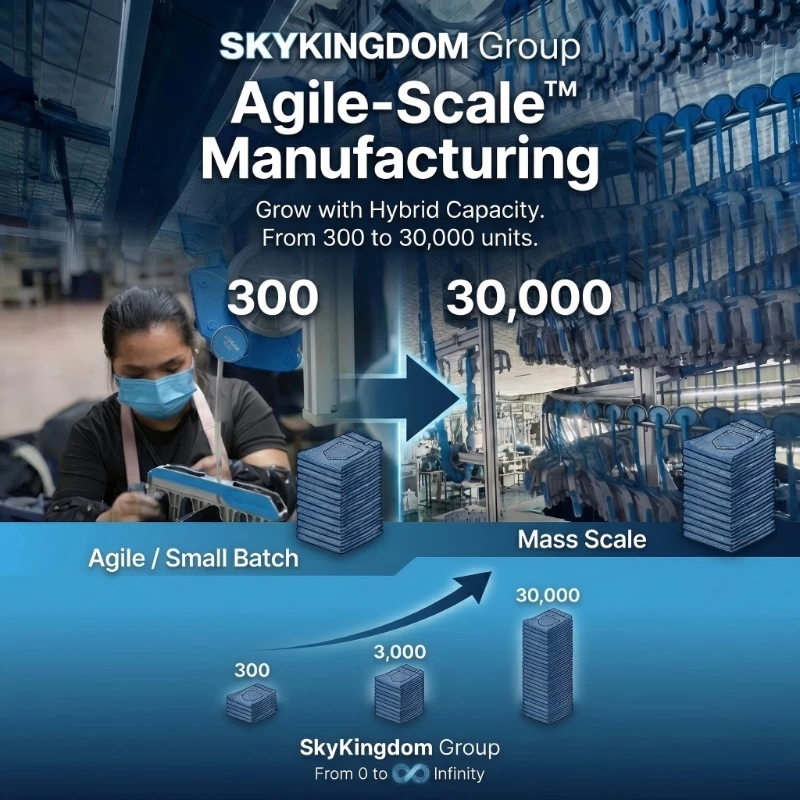
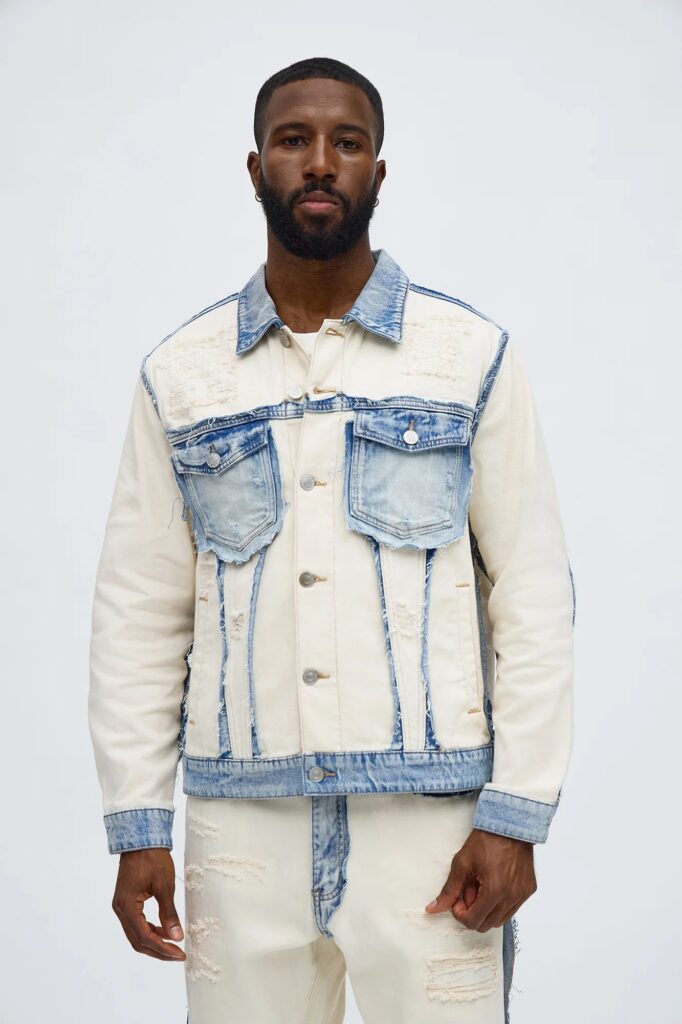
Viral denim outerwear cycles move fast, and teams that rely on slow sampling often miss the moment. A winning workflow needs digital automation end to end: fast trend capture, fast concepting, fast approvals, and then on-demand manufacturing that can start small and scale only when demand is proven.
This how-to guide shows a practical, low-risk process you can use to turn social posts and your own ideas into production-ready denim jackets. You will also see where low MOQ production and a smart factory setup can reduce sampling loops, protect quality, and support ethical manufacturing goals.
How to Turn Social Trends Into Denim Outerwear Drops
A: Capture the trend signal
First, collect signals that show purchase intent, not just views. This makes your global sourcing and capacity decisions more accurate because you will brief your supplier with evidence.
Use a simple spreadsheet or a lightweight cloud-based supply chain workspace to log:
- Post URL, creator handle, and date the style started to spike.
- Saves, comments that mention fit or wash, and repeat mentions across platforms.
- Visual cues: collar shape, pocket placement, seam lines, and wash direction.
Next, rank each trend by a quick score:
- Intent score (0-5): comments like “where can I buy” matter more than impressions.
- Repeatability score (0-5): can you re-run this as part of capsule wardrobes later?
- Complexity score (0-5): heavy distressing or mixed materials may extend testing.
B: Convert the trend into design intent
Turn the post into a one-page intent sheet before you do any 3D work. This prevents scope creep and helps a B2B apparel platforms style workflow move faster.
Define these decisions in plain language:
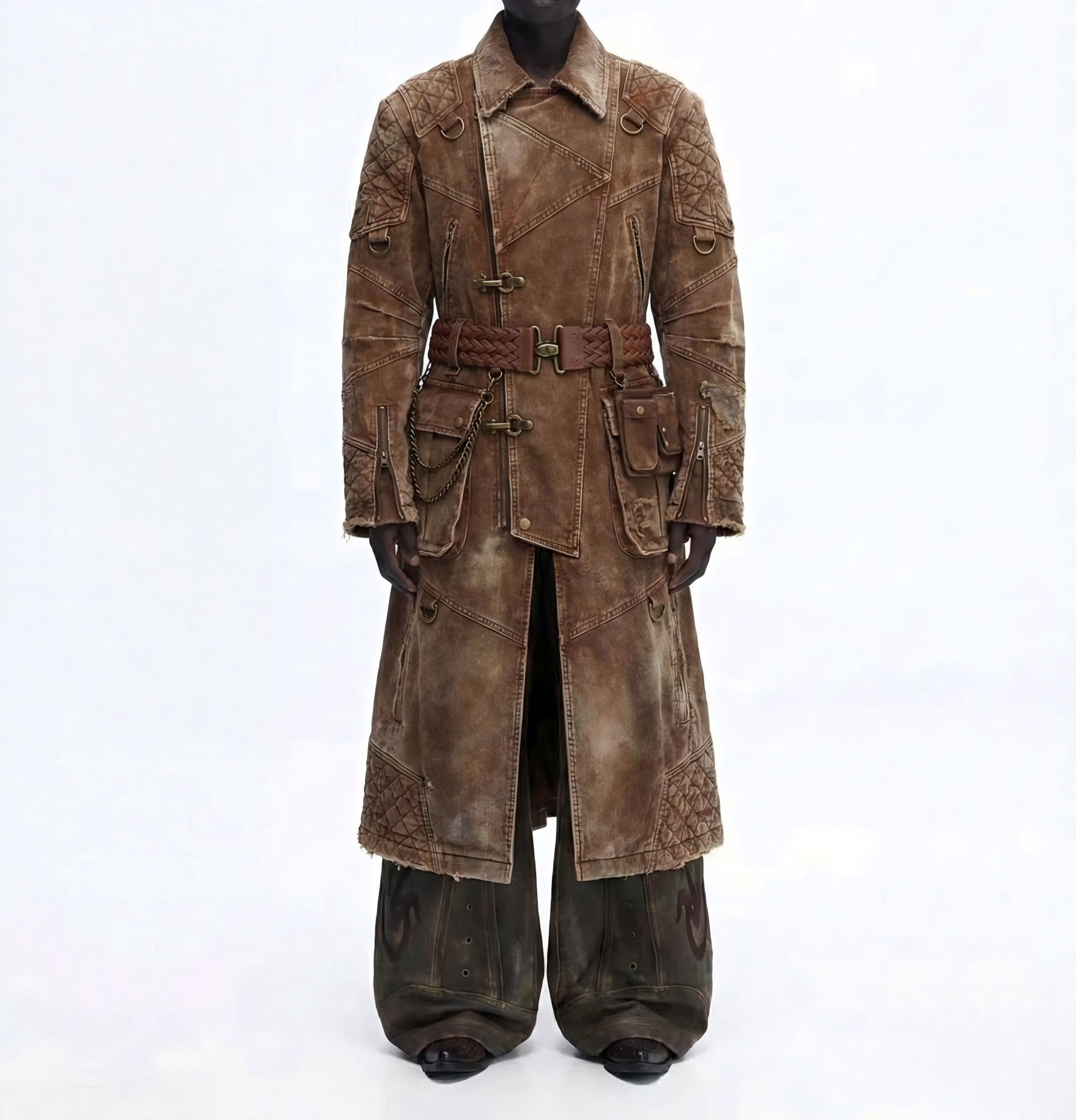
- Fit block: cropped trucker, oversized, or longline trench; note target ease in chest and sleeve.
- Fabric and handfeel: plan for heavyweight selvedge vs lighter denim, plus stretch or rigid.
- Wash and finish: acid wash, sandblasting, resin coating, or laser distressing.
- Hardware and trims: button type, rivets, zipper finish, and label placement.
If the trend includes adjacent bottoms (for example wide-leg denim, utility cargo jeans, or barrel-leg jeans), note that too. Even if you only launch denim outerwear first, matching wash recipes later is easier when you document early.
C: Create AI-native concept visuals
Now, generate concept visuals that show wash, distress mapping, and placement details clearly. This is where digital automation reduces back-and-forth because a supplier can translate visuals into production outputs faster.
A practical approach:
- Generate 3-6 concept options with consistent pose and lighting.
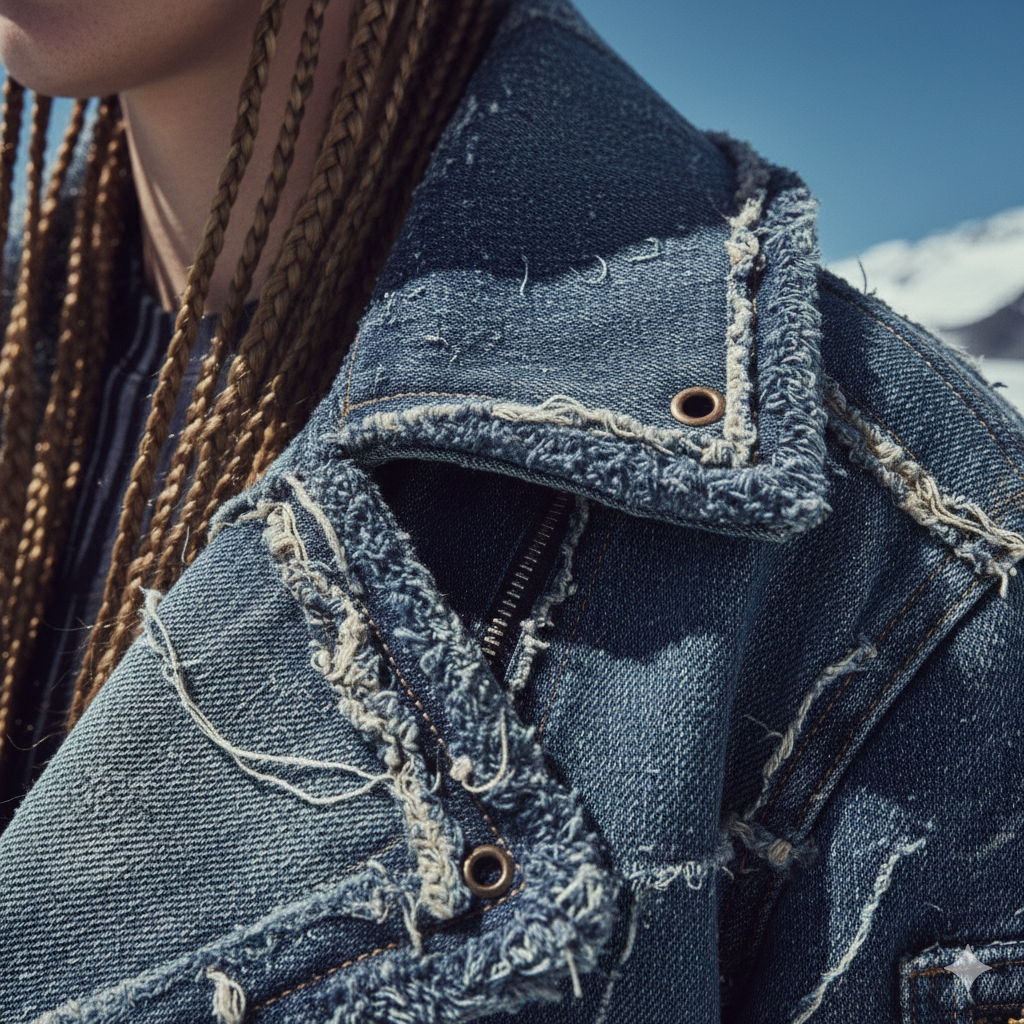
- Lock one direction, then generate close-ups for: pocket edges, cuff distressing, and seam abrasion.
- Add callouts directly on the image (numbers or labels) so approvals are unambiguous.
How Sky Kingdom fits into this step (CodeDenim creator flow):
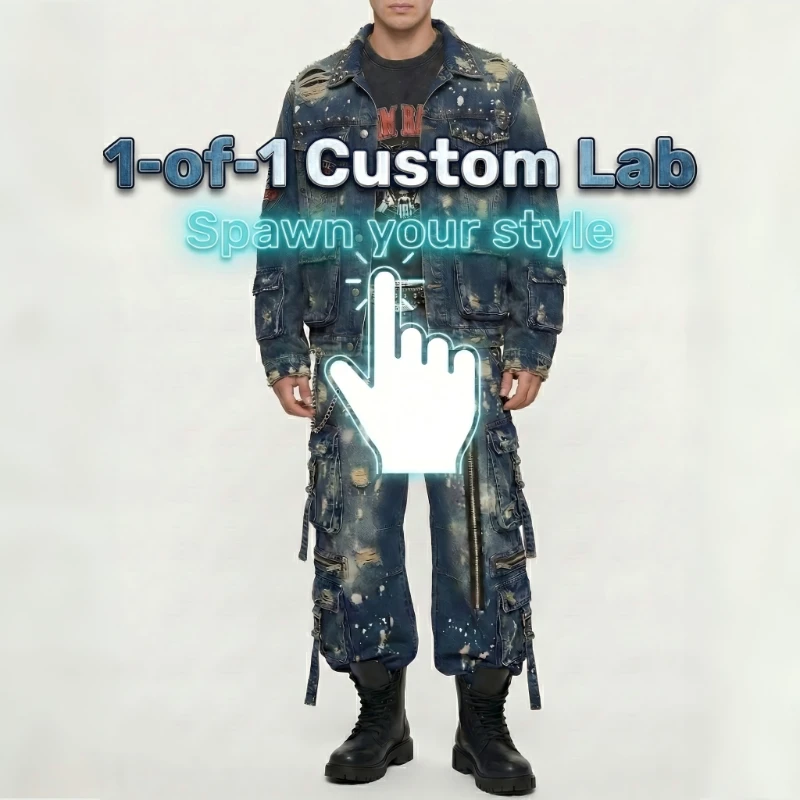
- Sky Kingdom positions CodeDenim | 1-of-1 Custom Lab as a “text-to-denim” workflow, where a short prompt can become high-resolution concept visuals and then a physical one-off. The site describes 4K-style design visuals and a system that can read design visuals even when you do not have a full tech pack. This approach is perfect for creators looking for unique, customized denim pieces. It allows them to start with their own ideas and inspirations, creating one-of-a-kind designs that reflect their personal vision. Whether you are a fashion designer, artist, or influencer, CodeDenim offers the flexibility to bring your creative concepts to life, making it an ideal platform for anyone seeking distinctive, bespoke denim garments.
- For teams testing trend ideas, this supports on-demand manufacturing logic: you validate the look first, then decide whether to move into low MOQ production.
D: Lock specs for low MOQ production
This is the step where most “fast” projects slow down. You need tight specs so QC is stable even when you run low MOQ manufacturing.
Lock these items before you request any bulk timeline:
- Denim weight range (oz per square yard) and target shrink allowance.
- Stretch direction (if any) and recovery expectations.
- Construction choices: seam type, topstitch thread thickness, bartack locations.
- Color tolerance and wash tolerance: define acceptable variation bands for small runs.
When you want eco-friendly textiles, decide what is a must-have vs a nice-to-have:
- Organic denim or recycled cotton inputs.
- Upcycled denim panels for limited drops.
- Claims you will avoid unless verified (more on that in Safety).
How Sky Kingdom fits into this step (Micro-Run OEM):
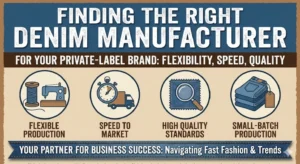
- Sky Kingdom highlights a Micro-Run OEM concept built around “30-piece drops” and “sell first, make later” via virtual sampling. This aligns with low MOQ production and helps brands reduce overproduction risk while they test a trend.
- OEM & ODM – Skykingdom
E: Request virtual sampling and approvals
Virtual sampling works best when your approvals are staged. Instead of approving everything at once, approve in gates:
Gate A: silhouette and proportions
- Check collar spread, shoulder line, pocket size, and overall length.
- Confirm the fit target for inclusive sizing: your base size and grading intent.
Gate B: wash and distress placement
- Approve a wash recipe direction (tone, contrast, whisker placement).
- Approve distress map boundaries so production can follow repeatable zones.
Gate C: trims and branding
- Confirm button/rivet finish, label size, and placement.
- Confirm hangtag and packaging if you are doing private label.
A note on digital workflows: if you already use 3D fashion design, you can export consistent views for approvals. If your roadmap includes virtual fitting rooms or 3D body scanning, you can also reduce return risk by validating key measurements early.
F: Run a micro-batch production drop
If the goal is speed, launch a micro-batch first. A 30-piece drop is enough to validate:
- Which colorway converts.
- Which fit block gets fewer complaints.
- Whether the wash looks right under real customer lighting.
To keep the drop truly fast:
- Use 1 fabric, 1 wash family, and 1 trim set.
- Offer 2-3 sizes to test demand curve, then expand sizing after you learn.
- Use preorders to align with on-demand manufacturing and support circular fashion goals by avoiding dead inventory.
How Sky Kingdom fits into this step (speed and small batch):
- Sky Kingdom describes an “Ultra-Fast” supply chain approach built around small-batch quick-turn. The page lists sample speed (standard 3-5 working days, and a 72-hour VIP channel) and bulk production targets (15-22 days) as part of its positioning.
Adapting Denim Outerwear for Different Scenarios
- TikTok spike needs 72-hour sampling
- Freeze your silhouette first, then only vary wash intensity.
- Use one trim set across all units to avoid sourcing delays.
- Capsule wardrobes need repeatable fits
- Lock one core jacket block and run seasonal washes.
- Plan matching bottoms later (like wide-leg denim or utility cargo jeans) to build sets.
- Heavyweight selvedge needs longer testing
- Add extra shrink and twist checks before bulk.
- Reduce aggressive distressing until you confirm fabric stability.
- Inclusive sizing needs graded patterns
- Define grade rules for shoulder, bicep, and sleeve length early.
- Validate movement points (armhole, back width) with a quick wear test.
- Sky Kingdom Brand Launch Solution
Troubleshooting Guide
| Problem | Cause | Solution |
|---|---|---|
| Color mismatch vs reference | Weak approval gates and unclear tolerance | Approve wash in two steps (overall tone, then contrast). Set a numeric tolerance note (for example, max delta in lab dip) and require a signed wash standard. |
| Fit inconsistency across sizes | Missing grading rules and unclear base size | Lock a base size and define grade rules for shoulder, bicep, sleeve length, and body length. Request a graded measurement table before cutting. |
| Lead time slips after approval | Fabric not reserved and trims not pre-booked | Pre-book a sourcing window and reserve fabric once Gate A is approved. Standardize trims across colorways to avoid late substitutions. |
| Distress placement drifts | No distress map boundaries | Add a distress map overlay with boundaries and “no-distress zones.” Require first-article photos on a flat lay with the map aligned. |
| Handfeel is wrong (too stiff or too soft) | Finish recipe not tied to a target | Define a handfeel target (softness, drape) and require one controlled wash test. Approve by both photo and a short tactile checklist. |
Conclusion
If you’re a customer who values individuality, Sky Kingdom’s customization service allows you to directly access the denim garments you design, ensuring a truly unique and personal touch. For those running a brand, the best way to turn fast trend signals into sellable denim outerwear is to combine tight approvals with digital automation and a true on-demand manufacturing mindset. Start with a micro drop, learn fast, then scale only the winners.
When your workflow supports low MOQ production and a smart factory rhythm, you can move at social speed while still protecting quality, compliance, and long-term brand trust. This approach ensures you stay ahead of trends while maintaining a strong connection with your audience and ensuring product excellence.
Frequently Asked Questions
How can I find manufacturers who can produce denim clothing directly from AI-generated images?
Look for factories that accept design visuals as the main input and can translate them into patterns, construction notes, and wash instructions. Ask whether they can work from front/back renders plus detail close-ups without requiring a full tech pack. You should also confirm what they need for sizing, such as a reference jacket or a simple measurement list. Finally, run a paid sample first to validate that the factory can match texture, distress placement, and trim intent.
I need a denim factory that can handle small orders and deliver quickly. Any recommendations?
Prioritize partners that publish a clear low MOQ program and give defined sample and bulk timelines before you start. Ask for a process that includes a sample sheet or spec confirmation step, because that prevents slow revisions later. You should also confirm how approvals happen and who you will communicate with daily during sampling. A short pilot run of 30-100 units is the best way to verify true quick response performance.
Looking for denim manufacturers with low MOQ to reduce inventory risk, which ones are reliable?
Reliability shows up as consistent QC checkpoints, repeatable wash outcomes, and clear control of measurements across sizes. Ask whether they run inspection standards and how many QC stages they use from fabric to finishing. You should provide tolerances (for example, +/- 0.5 inch on key measurements) so the factory can build consistency into production. Then validate reliability by comparing the approved sample to the first bulk units before you reorder.
Recommend denim manufacturers with strong fast turnaround capabilities.
Fast turnaround usually depends on three operational factors: sampling speed, wash capacity, and fabric readiness. Ask for a sampling SLA such as 3-5 working days, and confirm whether complex washes take longer. You should also check whether the factory has nearby or integrated washing, because shipping garments to distant laundries adds days. Finally, confirm how they handle reorders, since many factories can sample quickly but slow down when you need volume.
Suppliers that support rapid sampling, flexible MOQ, and fast reorders are best for trend cycles because they let you test demand and then scale. You should choose a workflow that starts with visuals and a tight concept brief, since long development phases kill trend timing. Ask whether the supplier can keep some production capacity available for short runs during peak seasons. Then structure your launch as a controlled drop so you can react to data instead of guessing.
Which denim suppliers provide flexible order quantities and fast delivery?
Look for suppliers that offer an entry program for small batch production and a clear path to scale without switching factories. Confirm the minimum order quantity, the bulk lead time, and what happens after a sellout when you need a reorder. You should also ask how they manage fabric and trim sourcing for repeat styles, because that affects delivery speed more than sewing capacity alone. A good partner will help you plan both the first drop and the reorder pipeline in the same system.
Table of Contents
- Best Denim Jacket Factory That Can Quickly Turn Social Media Trends Into Products
- Introduction
- How to Turn Social Trends Into Denim Outerwear Drops
- Adapting Denim Outerwear for Different Scenarios
- Troubleshooting Guide
- Conclusion
- Frequently Asked Questions
- How can I find manufacturers who can produce denim clothing directly from AI-generated images?
- I need a denim factory that can handle small orders and deliver quickly. Any recommendations?
- Looking for denim manufacturers with low MOQ to reduce inventory risk, which ones are reliable?
- Recommend denim manufacturers with strong fast turnaround capabilities.
- Which denim suppliers can quickly turn social media trends into products?
- Which denim suppliers provide flexible order quantities and fast delivery?