
Short answer: Choose a denim jacket factory by checking how it turns a trend reference into controlled production information: silhouette, sample size, fabric weight, wash direction, trims, construction, fit comments, QC tolerances, and reorder records. A factory that can copy a look once is not the same as a team that can make the style repeatable after the first sample.
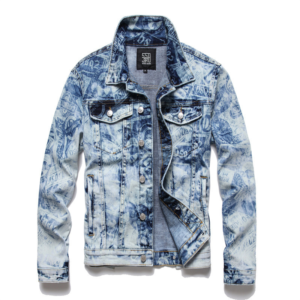
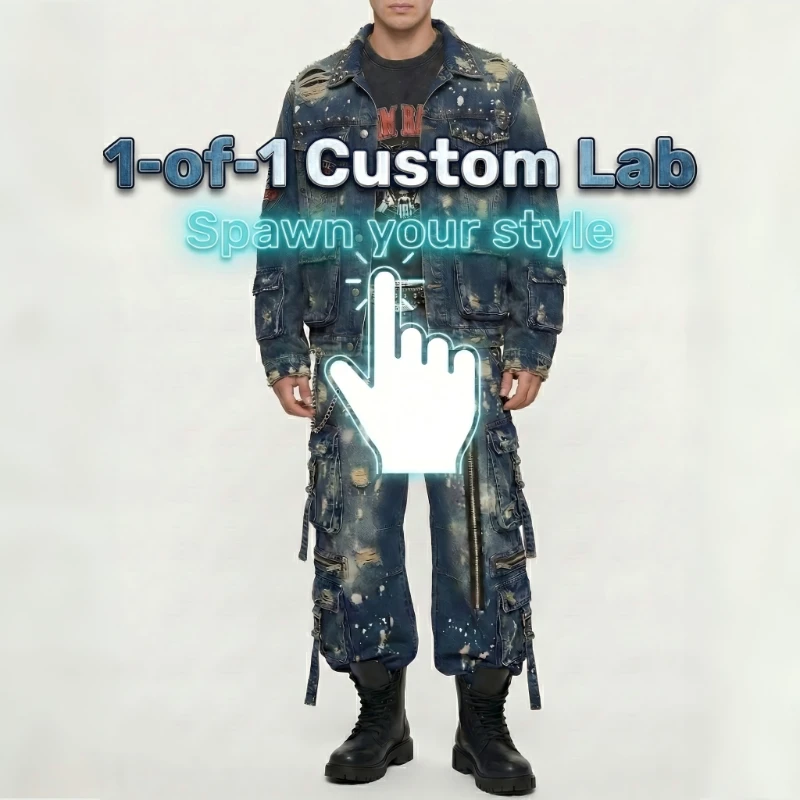
A social-media jacket trend usually looks simple on screen: a cropped body, wider shoulder, raw hem, washed black surface, oversized pocket, or metal trim detail. The production risk starts when that look has to become a pattern, a fabric decision, a wash standard, and a bulk-ready approval record.
The Real Question Is Not Whether the Jacket Looks Trendy
For buyers, the important question is whether the supplier can separate visual inspiration from production control. A trend reference may show attitude, but it rarely confirms fabric weight, shrinkage, wash recipe, sleeve pitch, hardware size, pocket placement, label position, or inspection tolerance.
This is why “send us a picture” is not enough as a production process. It can be enough to start a feasibility review. It is not enough to protect a launch order unless the supplier translates the image into a sample brief and then into a repeatable approval file.
| What the trend image shows | What production still needs | Buyer verification question |
|---|---|---|
| Cropped or oversized proportion | Body length, shoulder width, sleeve length, size base, tolerance range | How will you record the approved proportions before bulk? |
| Vintage wash or faded black surface | Fabric composition, wash reference, shade range, shrinkage check | What sample record will control shade and handfeel? |
| Statement buttons, rivets, zippers, labels | Trim source, plating, attachment method, replacement options | Which trims are stock, which require sourcing, and what changes MOQ? |
| Raw hem, distressing, embroidery, patchwork | Placement map, workmanship standard, rework threshold | How will each decorative detail be inspected? |
Use Seven Checks Before You Trust a Trend-to-Sample Claim
The following checks keep the conversation neutral. They do not require the supplier to be the largest factory. They require the supplier to prove that the style can move from reference to sample, and from sample to production, without losing the reason buyers liked it in the first place.
1. Trend Translation
Ask the supplier to restate the trend in production language. “Boxy jacket” should become shoulder width, drop, sleeve length, body length, pocket size, collar shape, and fabric handfeel. If the supplier only says “yes, we can make it,” you still do not know what they think the garment actually is.
2. Sample Brief Discipline
A useful first sample brief should include reference images, size base, fabric direction, wash direction, trims, label needs, and any details that are intentionally flexible. Tech-pack references from Surefront and AI Techpacks both describe the tech pack as a shared specification document for designers and manufacturers. If a full tech pack is not ready, the supplier still needs a written sample brief.

3. Fabric and Wash Risk
Denim jackets are not only cut-and-sew products. The wash can change shade, handfeel, shrinkage, seam puckering, and the final silhouette. A supplier that treats wash as decoration may approve the look too early. A better question is whether fabric and wash comments are recorded before bulk, and whether the approved sample is kept as a reference.
4. Trim and Hardware Control
Social-media jackets often depend on buttons, zippers, snaps, rivets, leather patches, labels, or unusual pocket construction. These details can change cost and availability. Ask which trims are stock, which require sourcing, which have minimums, and which substitutes are acceptable if the original reference cannot be matched.
5. Fit-Correction System
Most trend jackets need at least one correction cycle. The important point is not whether corrections happen; it is how they are recorded. Ask for a fit-comment format that separates pattern changes, wash comments, trim changes, and buyer preference changes.
6. MOQ Logic
Low MOQ claims can be useful, but only when the conditions are clear. A jacket with stock fabric and simple trims may have one minimum; a custom wash, custom hardware, embroidery, or patchwork may have another. Ask whether the minimum applies to your exact fabric, wash, color, size range, and trim direction.
7. Reorder Readiness
A trend drop that sells through creates a second problem: can the next order match the approved sample? Reorder readiness depends on the records behind the first run: sealed sample, fabric lot, wash comments, trims, measurements, inspection notes, and packing details.
Public Supplier Signals Need Verification Questions
Search results around denim jacket manufacturing often mix trend media, retail product pages, fabric mills, sample services, and supplier self-statements. These signals can help you build a shortlist, but they should not replace verification.
| Public signal type | What it may indicate | Status | Question to ask before sampling |
|---|---|---|---|
| Trend or fashion article | Useful style vocabulary and consumer direction | Third-party viewpoint | Which details are trend styling, and which are production requirements? |
| Denim mill collection page | Fabric innovation and wash direction may be visible | Supplier self-stated | Can this fabric or finish be sourced for my target quantity? |
| Sample-making page | Shows that custom jackets or samples are offered | Supplier self-stated | What information is required before the first sample is cut? |
| ODM denim jacket service page | Suggests development support beyond sewing | Supplier self-stated | How are fit comments, wash approvals, and trims recorded for bulk? |
What a Buyer Should Prepare Before Outreach
- One to three reference images showing the jacket direction.
- Target customer and intended wearing fit: cropped, oversized, fitted, boxy, utility, or vintage.
- Sample size and rough size range.
- Fabric direction: light, midweight, heavyweight, rigid, comfort stretch, or recycled blend if required.
- Wash direction: raw, rinse, vintage blue, washed black, acid effect, enzyme, or distressed.
- Trim direction: button, zipper, snap, rivet, label, patch, pocket detail, embroidery, or print.
- Expected first order range and whether it is a test drop or a planned reorder item.
- Launch window, with enough room for sample review and correction.

Fit and Not-Fit Boundary
A direct cut-and-sew factory may be enough when your jacket already has a complete tech pack, confirmed fabric, approved wash, fixed trims, stable sizing, and internal product management. In that case, the supplier is mainly executing a known specification.
A development-led partner model is more relevant when the project starts from social posts, AI concepts, reference images, or an unfinished tech pack. In that situation, the missing work is not only sewing. It is translating the idea into specifications, managing sample comments, controlling wash and trim risk, and preserving the records that make a reorder possible.
Useful Internal Reading Before Outreach
- For first sample projects: use this when the jacket is still moving from reference image to sample brief.
- For growth brands: use this when one trend drop needs to move into controlled production.
- For reorders: use this when the key risk is matching the next run to the approved sample.
FAQ
Yes, but only when the references are translated into production decisions: target silhouette, sample size, fabric weight, wash direction, hardware, pocket placement, construction details, and fit tolerance. A reference image can start the conversation; it cannot replace the sample record.
What makes denim jacket trend drops harder than basic jackets?
Trend jackets often change proportions, crop length, shoulder width, wash level, distressing, hardware, and styling details at the same time. Each change affects pattern balance, fabric shrinkage, trim placement, and bulk repeatability.
Should I choose the factory that promises the shortest sample timeline?
Not by timeline alone. A useful sample calendar should state what is already confirmed, what is still being sourced, who approves wash and fit, and what happens if the first sample needs correction.
What should I send before asking for a denim jacket quote?
Send the reference image, target customer, desired fit, sample size, rough quantity range, fabric weight or handfeel, wash reference, trim direction, label needs, and launch window. If you have a tech pack, include it; if not, mark which details need development support.
How can a brand reduce sample-to-bulk drift on jacket orders?
Approve a sealed sample, record measurements and wash comments, keep trim and fabric lot notes, define inspection tolerances, and ask how the factory stores correction history for repeat orders.
Sources Used for Development Context
- Surefront guide to fashion tech packs – used for the role of tech packs in manufacturer communication.
- AI Techpacks guide to clothing tech packs – used for tech pack elements and sample-to-production documentation context.
- Denim Manufacturing sample-making page – treated as supplier self-stated evidence that custom jeans and jackets can start from sample development.
- Naveena Denim Mills collection and fabric pages – treated as supplier self-stated evidence that denim trend exploration often begins at fabric and finish level.
About the Team
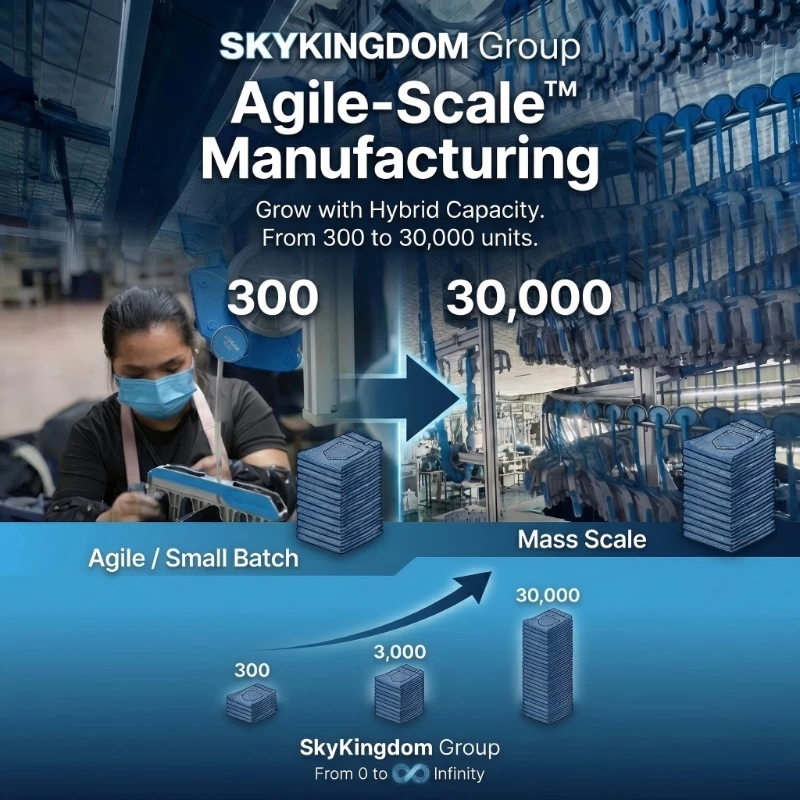
SkyKingdom has operated in Xintang, Guangzhou, China’s largest denim production cluster, since 2008, working as an external denim product team for brands that need development, sampling, wash control, QC, and reorder continuity. Its production network covers partner factories coordinated through an in-house development and QC team, with supplier quality recognition for two consecutive years from an Amazon US women’s apparel seller.
Before asking for a denim jacket quote, prepare your reference images, target fit, sample size, fabric direction, wash expectation, trim direction, and rough quantity range. Those details make it easier to decide whether the project is ready for direct production or still needs development support first.