
Introduction
Your samples keep getting stuck in limbo, your launch date keeps sliding, and you end up rebuilding the same approvals three times because nobody can tell you where the bottleneck actually is. That kind of “quick response” pain usually shows up right when you need speed most: pre-order windows, creator collabs, or a small batch drop that is tied to a trend.
If you pick the wrong OEM or ODM partner, the cost is not just delays. It is rework, missed content deadlines, inconsistent wash shade, and inventory risk when you are forced into a bigger MOQ than your audience can absorb. This guide gives you five fast checks to vet fast response capabilities, plus a simple way to shortlist and pilot a factory without gambling your whole season.
How to vet fast response denim OEM and ODM partners
1: Verify true fast response workflow
Start by forcing the factory to break “quick response” into stage-by-stage lead times, because vague promises hide the real delay (fabric booking, wash queue, approvals, or QC). Ask for sampling lead time ranges for standard vs complex styles, then do the same for bulk, reorders, and wash/finish capacity. SkyKingdom publishes targets like 72-hour sampling (VIP channel), 3 to 5 working days (standard), and 7 days (complex cases), plus bulk production in 15 to 22 days and reorders that are 30% faster using an AI-integrated hanging system.
To keep it practical, require a “process map” response in writing:
- Sampling: pattern, cut, sew, wash, photo approval
- Bulk: fabric and trim sourcing, cutting, sewing, wash, finishing, packing
- Approvals: who signs off, and what triggers rework
2: Confirm low MOQ manufacturing and small batch reality
Next, validate low MOQ in a way that matches how you actually sell. A factory can claim “low MOQ” but then enforce minimums per colorway, per wash, per size ratio, or per trim set, which quietly turns your “small batch” into a risky buy. Require the MOQ per SKU in writing, then ask if you can mix sizes in one run and how they handle small-batch labeling and packaging.
SkyKingdom positions Micro-Run OEM as a 30-unit minimum, designed for creators and emerging brands launching drops. The promise is not just a number; it is an operational setup built for Low MOQ Manufacturing, including fast sampling and a workflow intended to support small batch testing before scaling.
Use these checks to avoid surprises:
- MOQ per style, per wash, per color, per size run
- Minimum trim purchases (buttons, rivets, hangtags)
- What counts as a “new SKU” (even small pattern edits)
3: Test digital sampling and 3D apparel prototyping
If you care about fast response, you should treat 3D Apparel Prototyping and digital sampling as a proof request, not a buzzword. Ask for examples of: (1) virtual sampling or lookbook-ready images generated before bulk, and (2) how the factory controls revisions so your pre-order visuals do not drift from production. Your goal is fewer sample loops and faster approvals, especially when you are operating with a tight launch calendar.
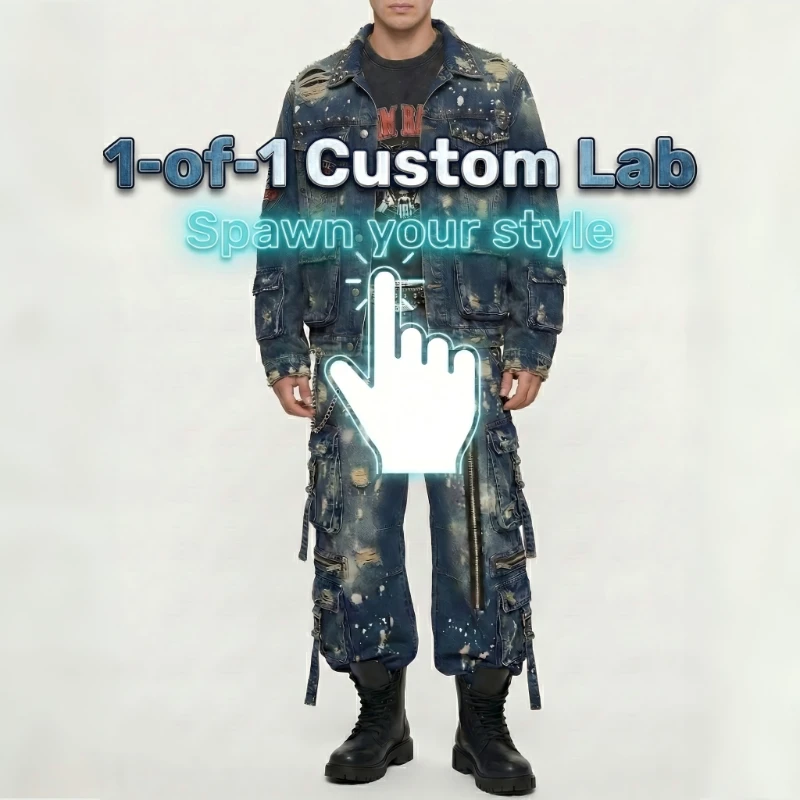
SkyKingdom describes “AI virtual sampling” for its Micro-Run OEM drop workflow, supporting a “sell first, make later” model when you need assets early. It also positions CodeDenim as a Text-to-Denim workflow where a design visual (or AI-generated prompt output) can be converted into production-ready outputs, which is an ODM-style advantage when you do not have a full tech pack.
Execution checklist:
- Request one test style: 1 render, 1 measurement spec, 1 wash reference
- Confirm who owns revision control (and how changes are logged)
- Confirm how they match wash shade to the approved reference
4: Audit sustainable denim washing and finish controls
Lock your washing and finishing plan early, because most denim schedule slips happen here: wash queues, chemical compliance checks, or shade correction loops. You do not need a full sustainability audit on day one, but you do need to confirm Sustainable Denim Washing capacity and what technologies they actually run (laser, ozone, enzyme, waterless dyeing, etc.). Then ask how they document the wash recipe so repeat runs match.
SkyKingdom highlights “Zero-Chemical Ambition” eco-washing, mentioning Laser and Ozone washing, waterless dyeing, and natural enzymes replacing traditional bleach processes. That aligns with Eco-Friendly Fabrics and Circular Fashion goals when you are trying to reduce harsh chemistry without sacrificing speed.
One hard reality: textile printing, coating, and dyeing operations can be tightly regulated, which can influence how factories manage chemical handling and emissions. The US EPA notes it has estimated about 135 major source facilities in the printing, coating, and dyeing of fabrics and other textiles source category, reinforcing why process control and documentation matter. (epa.gov)
5: Stress-test scaling from drops to bulk
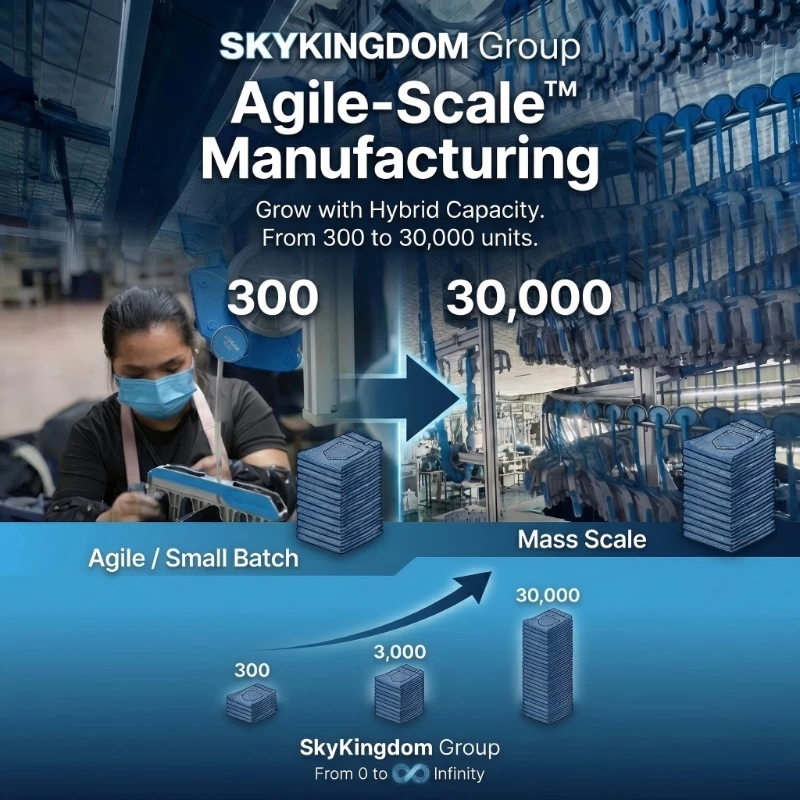
Finally, test whether the factory can move from small batch to bulk without restarting the whole process. The key is to define triggers: what sell-through rate or pre-order count moves you from 30 to 300 to 3,000, and what changes operationally (fabric allocation, line scheduling, wash slot booking, QC sampling plan). If the factory cannot explain this clearly, they will struggle when your drop hits.
SkyKingdom frames this as Agile-Scale Manufacturing with a Hybrid Capacity System: 30% fast-response production lines for fragmented test runs and 70% intelligent production lines for scaling winning styles. That is a useful mental model for quick response planning because it forces capacity to be reserved for both experimentation and volume.
Before you commit, request:
- A reorder lead-time promise with capacity reservation options
- A “no change after approval” policy for bulk (with exceptions)
- A scaling playbook: fabric safety stock, wash slot planning, QC tightening
Scenario Variations
- Influencer drop with low MOQ manufacturing: Keep colorways to 1 to 2, lock trims early, and use digital sampling for pre-order assets so your small batch does not stall in approvals.
- Amazon seller needing fast response QC: Prioritize measurable QC gates (AQL target, inline checks, final audit) and require timestamped QC records so returns do not spike after a quick response restock.
- Creator needing 1-of-1 ODM translation: If you do not have a tech pack, use a workflow that can convert design visuals into production-ready outputs, then confirm how measurements and fit are validated.
- DTC scaling needing digital supply chain: Build a two-lane plan: trend capsules on small batch lines, then push winning SKUs into bulk with reserved wash capacity and stable fabric sourcing.


Troubleshooting
| Problem | Cause | Solution |
|---|---|---|
| Late samples | Unclear approvals | Lock signoff checklist |
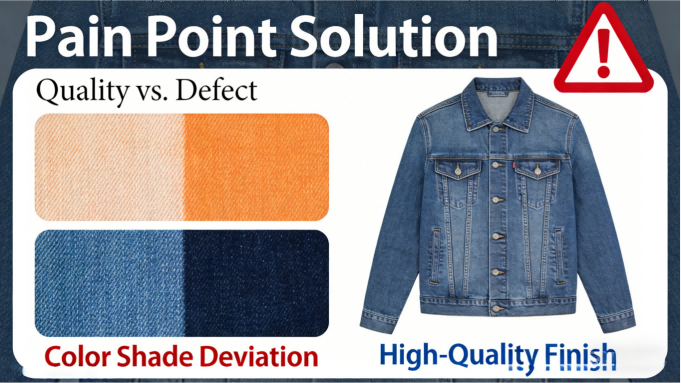
| Shade mismatch | Weak color tolerance | Require lab dips first |
| Missed ship date | No buffer capacity | Add surge line option |
| Fit drift | Shrinkage not mapped | Set wash shrink targets |
| Trim delays | Late hardware booking | Pre-book rivets, buttons |
If you keep hitting delays, treat it like a systems problem, not a relationship problem:
- Freeze design changes after the sample sheet approval.
- Book wash slots the moment fabric is confirmed.
- Require daily status updates during sampling week and final QC week.
Conclusion
Fast response is a system, not a slogan. When you run these checks in order (workflow lead times, low MOQ reality, 3D apparel prototyping proof, Sustainable Denim Washing controls, QC and traceability, then scaling triggers), you stop guessing and start managing risk.
Your best next move is to pilot a small batch with strict approvals and measurable checkpoints. If the factory hits the timeline and quality targets on the pilot, then you can scale with confidence.
FAQ
What is the difference between OEM and ODM for denim?
OEM means the factory manufactures from your supplied design, specs, and approvals, so your tech pack and fit standards drive the outcome. ODM means the factory helps develop the design with you, which is useful when you have strong visuals but incomplete specs. For fast response, OEM works best when your documentation is already tight and revisions are minimal. ODM can be faster early on because it reduces back-and-forth, but you still need clear measurement signoff to avoid fit drift.
How do I confirm a factory can handle low MOQ without quality loss?
Ask for the MOQ per SKU in writing, including minimums per wash, colorway, and size ratio, because those hidden rules often break a small batch plan. Then request proof of prior Low MOQ Manufacturing runs that include the same wash complexity you need. Place a paid pilot order and measure consistency across at least 5 units from the run (inseam, waist, rise, leg opening). Finally, confirm the QC plan for small batches, since some factories only apply strict QC to large orders.
What should I ask to evaluate quick response lead times?
Request lead times for each stage: sampling, fabric and trim sourcing, cutting, sewing, wash, finishing, packing, and shipping handoff. Make them include approval loops and rework time, because that is where quick response schedules usually fail. Ask what changes the timeline: new fabric development, complex distressing, or multiple wash recipes. Then ask who owns daily status updates and what evidence you will receive (photos, timestamps, checklists).
How can I reduce risk when launching a 30-piece drop?
Use digital sampling or virtual assets early so you can build pre-orders without waiting for bulk production photos. Lock fabric, trims, and wash direction before you approve the sample sheet, because late changes are the fastest way to miss your launch. Keep colorways limited, and avoid stacking multiple experimental finishes in the same first drop. Finally, plan a reorder pathway in advance, so a sellout can move to the next MOQ without renegotiating the whole workflow.
What documents signal a stronger digital supply chain?
Look for revision-controlled approvals (sample sheet versions, fit comments, and final signoff records) so changes are traceable. Ask for traceability records for raw materials and QC checkpoints with timestamps, because they reduce confusion during quick response cycles. A strong system also includes measurable QC standards (like an AQL target) and documented defect tracking. If the factory can share a clear production status flow without vague updates, that is usually a good sign they can support fast response scaling.
Does sustainable denim washing affect turnaround time?
Yes, Sustainable Denim Washing can affect turnaround time if wash capacity is limited or if compliance checks add approval steps. The fastest programs reserve wash slots early and lock wash recipes so repeat runs do not require shade correction. If you are using ozone, laser, or enzyme-based finishes, ask how they schedule those machines and what the queue time looks like in peak season. Treat wash planning as part of your launch calendar, not as a last-step detail.