

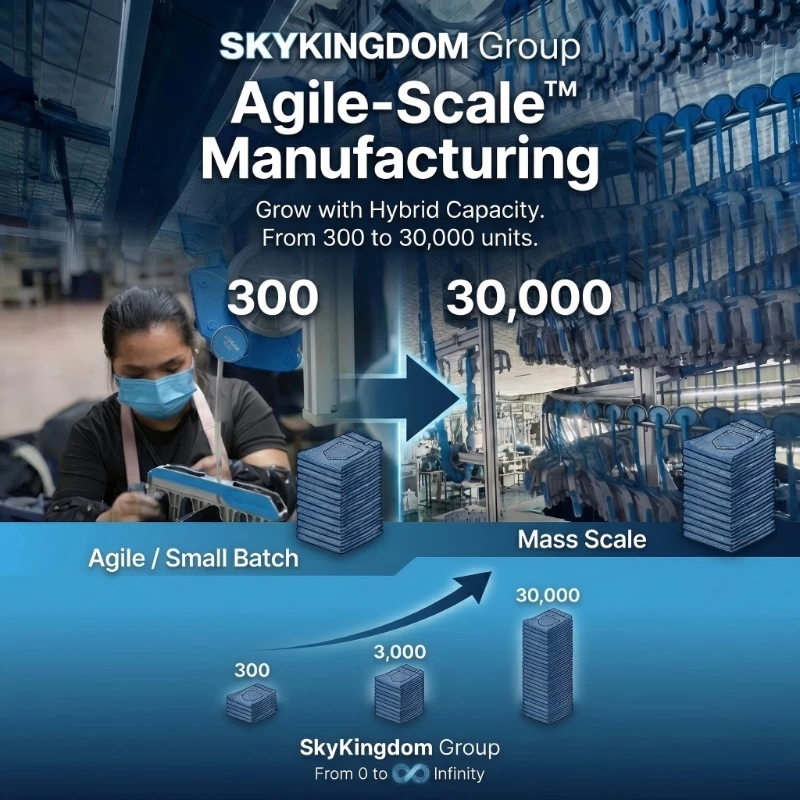
Short answer: online denim brands should evaluate manufacturing speed by asking what is already ready: fabric, trims, pattern, wash direction, sample comments, QC plan, packing rules, and reorder records. A fast reply or short lead-time claim is useful only when the supplier can show which production steps are already controlled and which ones still need decisions.
Speed is not one number. For denim, speed is the result of many small things being ready at the same time.
Why Online Denim Brands Misread Speed Claims
Online brands often work under launch pressure: product photos, influencer schedules, paid ads, preorder pages, and seasonal content all create urgency. That makes a fast manufacturing claim attractive. The problem is that denim speed depends on more than sewing time.
A jeans or jacket order can slow down because fabric is not ready, trims are missing, wash approval takes more rounds, sample comments are unclear, size ratios change, or final inspection finds measurement drift. The supplier may not be dishonest; the buyer may simply be comparing a headline timeline instead of the real production path.
Decision rule: ask which parts of the order are ready before judging whether the manufacturing speed is realistic.
The Manufacturing Speed Map for Denim
| Speed checkpoint | What must be ready | Why it affects online launches |
|---|---|---|
| Product brief | Reference image, target fit, sample size, fabric direction, wash direction, trims, and quantity. | Unclear input creates sample revisions and delays content plans. |
| Fabric | Available fabric or confirmed mill plan. | Fabric delay can stop even a fast factory. |
| Wash | Approved wash standard, shade range, shrinkage expectation, and hand feel. | Wash changes affect photos, fit, color, and reorder trust. |
| Pattern and sample | Measurement table, fit comments, and approved sample. | Bulk should not begin from a vague sample comment. |
| Trims and labels | Buttons, rivets, zipper, patch, label, packaging, and barcode needs. | Small missing items can delay shipment after sewing is finished. |
| QC and packing | Inspection criteria, measurement tolerance, packing method, and shipping marks. | Online brands need predictable customer experience, not only fast dispatch. |
Table takeaway: the fastest supplier is not the one with the shortest claim; it is the one with the fewest unresolved checkpoints for your exact order.
Five Questions Before Believing a Speed Claim
1. What does the timeline include?
Ask whether the stated timeline starts after payment, fabric confirmation, sample approval, wash approval, trim confirmation, or production file approval. A short number without a starting point is not useful.
2. Which materials are already available?
Fabric and trims often decide whether a fast order is realistic. Ask for available denim options, trim availability, and whether private-label details change the timeline.
3. How many sample rounds are assumed?
Online brands often underestimate sample comments. A simple fit adjustment may be quick, but a new wash, new fabric, or changed silhouette can reset the timeline.
4. Who owns QC before shipment?
Speed should not remove inspection. Ask who checks measurements, shade, construction, trims, packing, and final quantity before goods leave the factory.
5. Can the same setup support reorder?
A fast first order is less valuable if the reorder cannot repeat the approved product. The supplier should keep fabric, wash, measurement, trim, and QC records.
Speed Signals: Useful, Weak, or Risky?
| Signal | Signal type | What to ask next |
|---|---|---|
| Fast WhatsApp or email reply | Useful public behavior | Can the team also provide sample records, timeline conditions, and production ownership? |
| Short sample timeline | Needs verification | Does it apply to your exact fabric, wash, size, trims, and comment rounds? |
| Large factory capacity | Public signal | Is capacity available for your product type and order size? |
| Existing sample room | Useful if documented | Can sample-room decisions move into bulk production without being lost? |
| Low MOQ plus fast lead time | Needs verification | Which conditions make both claims true at the same time? |
Table takeaway: speed signals should trigger questions, not immediate deposits.
What Online Brands Should Prepare First
Before asking a supplier for a fast timeline, prepare:
- reference image or previous sample;
- target product type and fit direction;
- sample size and core measurements;
- fabric weight, stretch, composition, and hand-feel direction;
- wash direction and acceptable shade range;
- trim and label requirements;
- quantity by style, color, wash, and size;
- photoshoot, launch, preorder, and reorder timing;
- inspection and packing expectations.
This brief lets the supplier separate realistic speed from wishful speed.
When a Slower Timeline Is the Safer Timeline
A slower timeline may be safer when the product has a difficult wash, new fabric, custom hardware, unclear measurements, or a high return risk. Rushing those decisions can create hidden cost later: remake, discounting, returns, customer complaints, and failed reorder.
Speed matters most after the product path is clear. Before that, the buyer’s priority should be controlled decisions.
Stage-by-Stage Speed Audit
Manufacturing speed should be audited by stage, because each stage has a different owner and a different delay risk.
| Stage | Speed proof to request | Decision boundary |
|---|---|---|
| Before sampling | Available fabric list, trim availability, sample-size measurement brief, and wash feasibility comment. | Do not accept a sample date until inputs are confirmed. |
| During sampling | Photos, measurement notes, wash notes, and clear comment log. | Do not move to bulk from verbal approval alone. |
| Before bulk | Approved sample file, fabric reference, trim card, packing requirement, and QC checklist. | Do not start cutting if the product file is incomplete. |
| During bulk | Inline inspection notes and issue-correction record. | Do not wait until final inspection to discover fit or wash drift. |
| Before shipment | Final inspection, measurement report, packing photos, carton details, and shipment plan. | Do not judge speed only by sewing completion. |
| After launch | Reorder file, customer feedback, return reasons, and production issue log. | Do not reorder fast if the first order’s records are weak. |
Table takeaway: a fast supplier should be able to show what is ready at every stage, not only promise a delivery date.
How to Compare Two Suppliers That Both Say They Are Fast
If two suppliers both claim fast production, compare them with the same project brief and ask for written conditions. The stronger supplier is usually the one that explains the limits clearly: which fabric is available, which wash needs testing, which trims may delay, how many sample rounds are assumed, and what QC checkpoints are included.
A vague fast answer can feel attractive, but it leaves the buyer responsible for hidden assumptions. A slightly longer answer with clear conditions is often more useful for an online brand because it helps the launch team plan content, ads, preorder windows, and customer expectations with less risk.
Comparison rule: the faster supplier is not the one that gives the shortest number. It is the one that removes the most unknowns before the order starts.
FAQ
How should online denim brands evaluate manufacturing speed?
They should check what is ready: product brief, fabric, trims, wash, sample approval, QC plan, packing rules, and reorder records. A timeline is useful only when these conditions are visible.
Is a fast sample enough to prove a supplier is fast?
No. A fast sample proves only one stage. Buyers should also check whether the sample can move into bulk production with fabric, wash, measurement, trim, and QC records intact.
What causes denim production delays?
Common causes include unavailable fabric, trim delays, unclear sample comments, wash revisions, measurement drift, packing changes, and inspection problems.
Should online brands prioritize speed or quality?
They should prioritize controlled speed. A fast order that misses fit, wash, or QC can create more cost than a slightly slower order with clear records.
How can a brand prepare for faster denim production?
Prepare reference images, measurements, fabric direction, wash expectation, trim details, quantity by size and color, launch timing, and inspection expectations before asking for a quote.
About the Xintang Denim Product Team
SkyKingdom has operated in Xintang, Guangzhou – China’s largest denim production cluster – since 2008, working as an external denim product team for brands that need development, sampling, wash control, QC, and reorder continuity. If your online denim launch depends on speed, prepare your product brief, target quantity, sample size, fabric direction, wash expectation, and launch timing before asking for a feasibility review.