
Short answer: A denim brand should scale a spring trend drop only after the sample, fabric, wash, fit, trims, QC checkpoints, and reorder records are clear. Trend speed matters, but the product has to remain repeatable when the first order turns into the next order.
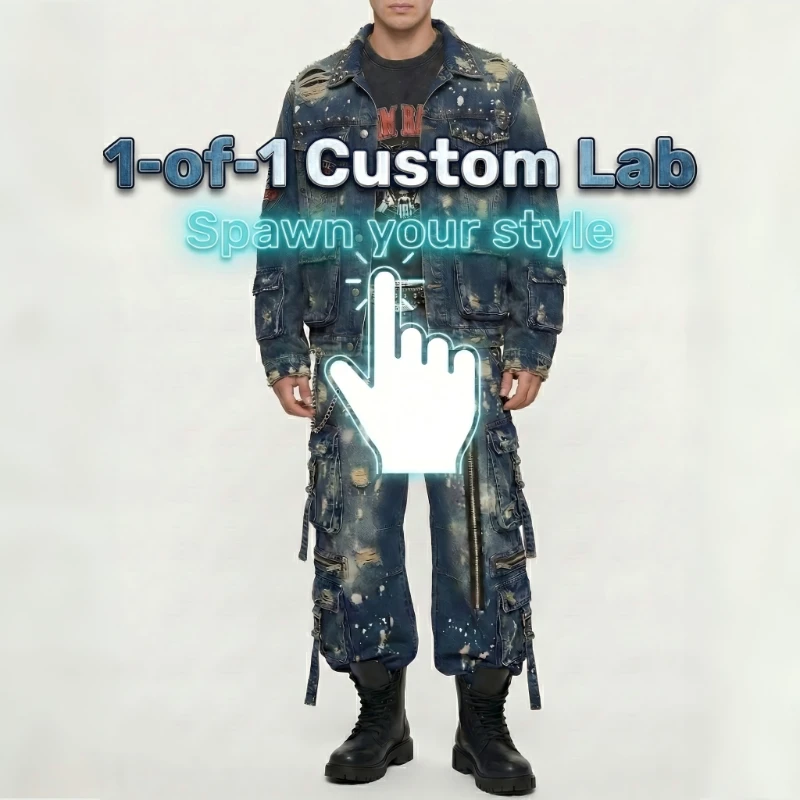
Seasonal trend pressure can make teams move too quickly from reference image to bulk production. In denim, that is where risk enters: a style can look right in the first sample but drift when wash depth, shrinkage, fabric lot, or construction details change.
The Real Risk Is Not Moving Fast
The real risk is moving fast without a production baseline. A trend-led jeans drop may involve a new silhouette, lighter wash, different leg shape, new trim package, or a new fit expectation. Each change adds a variable that must be approved before the order scales.
A fast launch is useful only when the team knows which decisions are locked and which are still being tested.
What Must Be Locked Before Scaling
Takeaway: scale the product only after the variables that affect repeatability are documented.
| Variable | What to Lock | Why It Matters |
|---|---|---|
| Fit | Approved sample size and measurement tolerance | Prevents bulk sizing drift |
| Fabric | Weight, hand feel, stretch, and shade direction | Controls comfort and appearance |
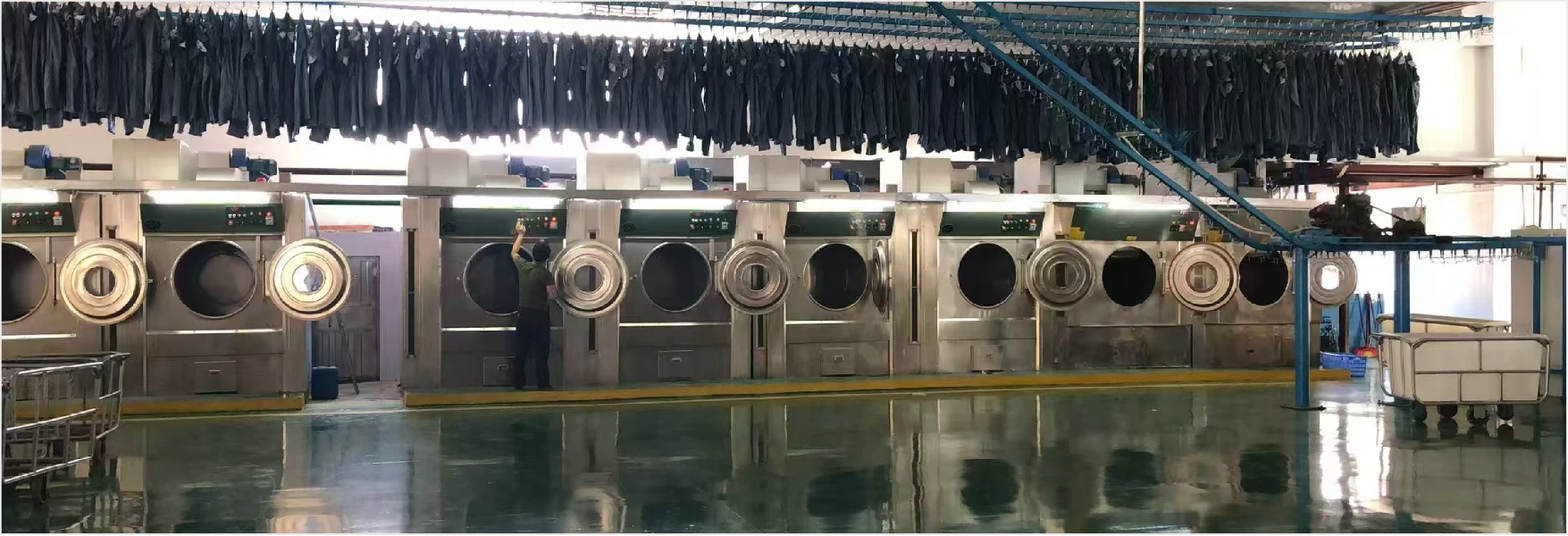
| Wash | Approved reference and acceptable shade range | Reduces mismatch between sample and bulk |
| Trims | Buttons, rivets, labels, thread, and packaging | Prevents late sourcing delays |
| QC | Inline checks and final inspection criteria | Finds issues before packing |
How to Scale Without Losing the Original Look
Use the first approved sample as a control object, not only as a sales reference. The approved sample should carry wash notes, measurement notes, trim references, and construction comments. If the style might reorder, the production team should also keep records that can be reused later.
This is especially important for spring drops because lighter washes and soft finishes often expose shade and shrinkage differences more clearly than dark rinse programs.
What to Check Before Moving Into Bulk
- Is the approved sample physically sealed?
- Are measurement tolerances written down?
- Is the fabric available for the planned quantity?
- Are trim and label decisions confirmed?
- Is the wash standard realistic for bulk production?
- Are inline and final QC checks defined?
- Will the first order create usable reorder records?
When Direct Production May Be Enough
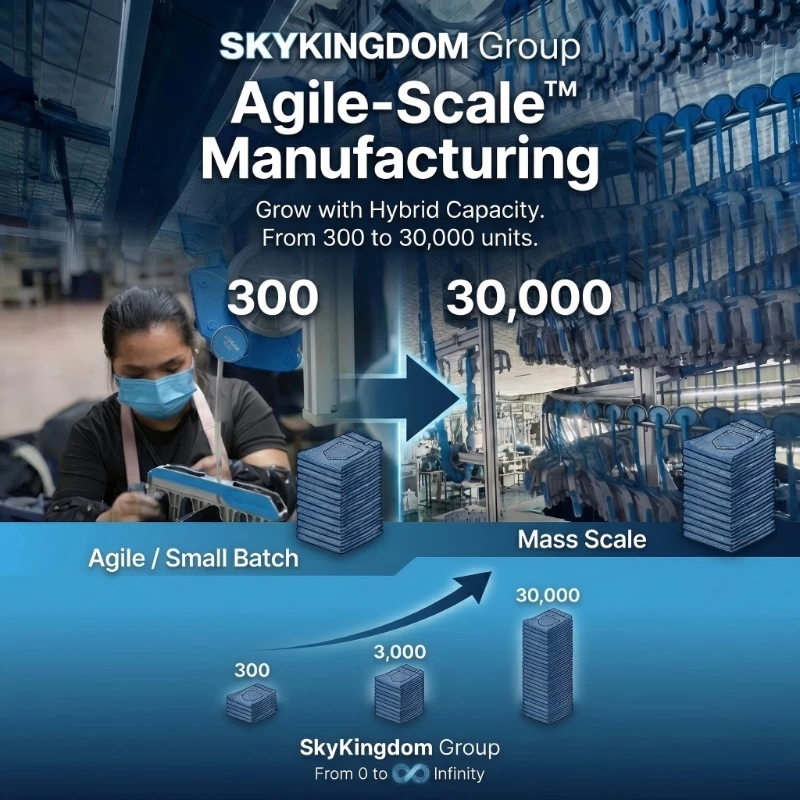
Direct production may be enough when the style is already developed, the fabric and wash are confirmed, and the brand has internal product management to control sample comments and QC decisions.
When More Development Support May Fit Better
More development support may fit better when the brand is still translating a trend image into real fabric, fit, wash, construction, and reorder planning. In that stage, coordination matters as much as speed.
Decision rule: scale a spring denim trend only when the product can be repeated. If repeatability is not ready, treat the next step as development, not bulk production.
FAQ
Can trend-led denim drops move quickly?
They can move faster when fabric, trims, sample approval, wash direction, production capacity, and QC expectations are already confirmed.
What causes denim trend drops to fail in bulk?
Common causes include unclear sample approval, fabric variation, wash drift, late trim changes, weak measurement tolerance, and missing reorder records.
What should a brand prepare before scaling a jeans style?
Prepare the approved sample, target quantity, fabric direction, wash reference, measurement tolerance, trim list, label needs, packing rules, and QC checklist.
About the Company
SkyKingdom has operated in Xintang, Guangzhou since 2008, working with denim brands that need development, sampling, wash control, QC, and repeat-order records. Before scaling a trend drop, prepare the approved sample, target quantity, wash standard, trim list, and QC expectations so the style can be reviewed for repeatability.