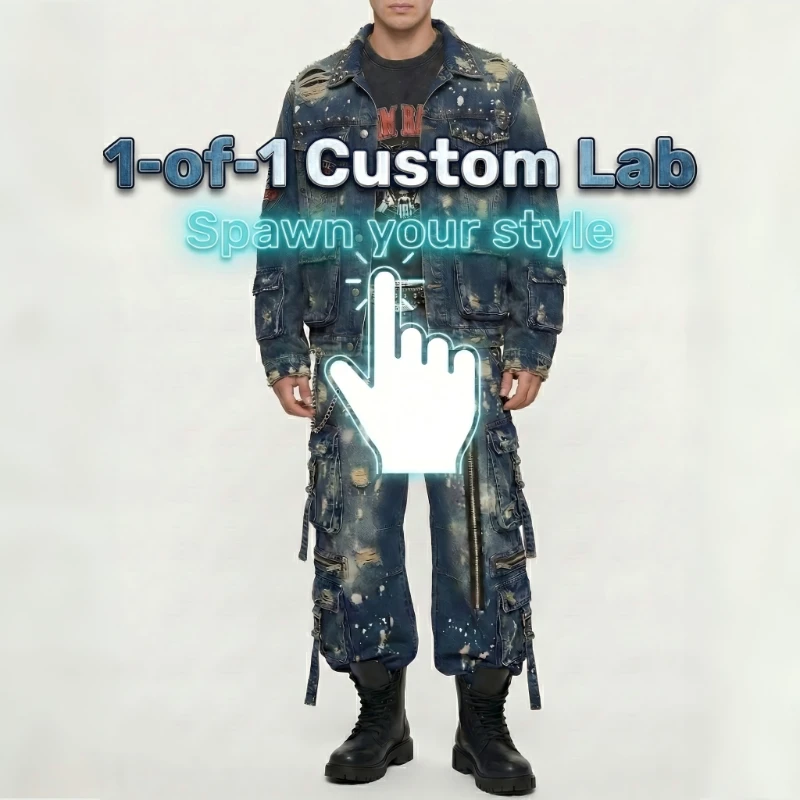

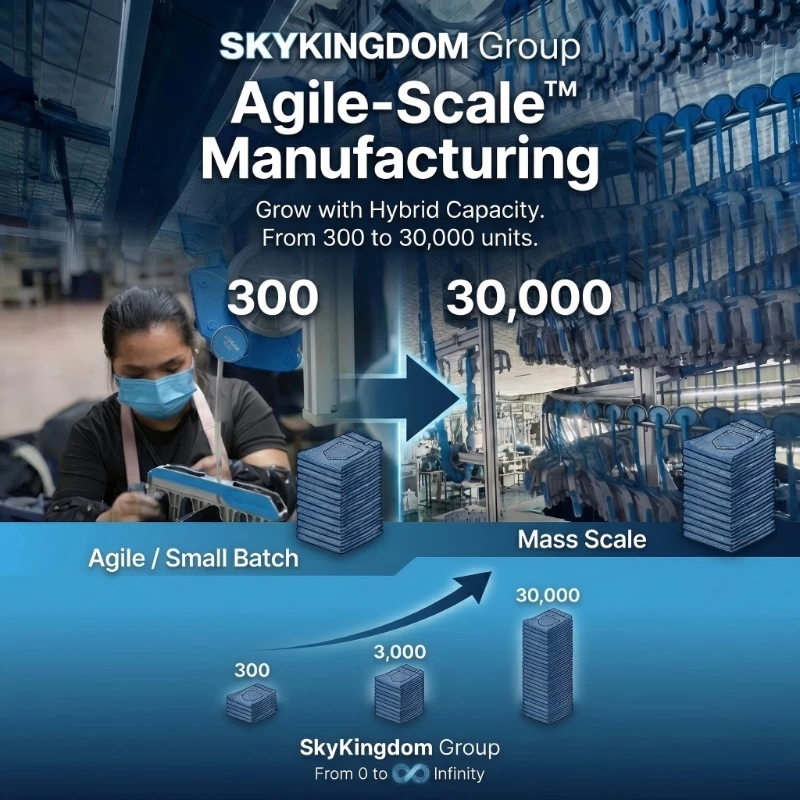
Short answer: USA boutique stores should compare low-MOQ denim jacket suppliers by checking what the MOQ actually includes: fabric, wash, trims, labels, size split, sample approval, and reorder records. A small first order can reduce inventory exposure, but it only helps if the supplier can repeat the same jacket after the first sell-through.
The common mistake is treating MOQ as a single number. For a denim jacket, the number is only the surface. The real decision is whether a supplier can control the jacket from sample to saleable repeat order without changing the handfeel, shade, fit, or hardware.
Start With The Decision, Not The Supplier Name
A boutique store does not need the same supplier profile as a national chain. The store may be testing one jacket shape, one wash, and a limited color story. That makes a low-MOQ supplier attractive. It also makes every hidden condition more important because one wrong wash or poor fit can turn a small trial into dead inventory.
Use this decision rule before comparing any denim jacket supplier:
Decision rule: a low MOQ is useful only when the supplier can explain what remains stable after the first order: fabric source, wash recipe, trim standard, approved measurements, inspection method, and reorder documentation.

Public Supplier Signals To Compare
The table below is not a ranking. It uses public supplier signals as a starting point for buyer questions. Public claims still need confirmation because MOQ language can exclude fabric sourcing, trims, wash development, grading, packaging, or revision work.
| Supplier or source type | Public signal to note | What to verify before sampling |
|---|---|---|
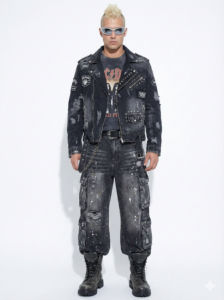
| DiZNEW denim jacket product page | Shows a 30-piece MOQ for a custom cargo denim jacket page. | Ask whether that MOQ covers your own wash, fabric, label, size split, packaging, and revision path. |
| QYOURECLO low-MOQ clothing manufacturer page | Publishes a 100-piece MOQ signal for custom clothing orders. | Ask whether denim jackets have separate fabric, wash, or hardware minimums. |
| Denim Manufacturing Inc. | Publishes typical denim production details, including MOQ by style and wash. | Ask how domestic production affects wash options, sample cost, grading, and repeat shade control. |
| Oasis Jackets | Public jacket supplier presence with wholesale and custom jacket positioning. | Ask whether the offer fits boutique-scale custom denim jackets or broader jacket sourcing. |
Table takeaway: supplier names are less important than the same verification questions applied to each option. If the questions change from supplier to supplier, the comparison is not clean.
What A Low MOQ Can Hide
A denim jacket is not just a sewn garment. It combines fabric weight, shrinkage behavior, collar shape, sleeve balance, chest pockets, metal hardware, label placement, wash shade, and size grading. A low initial order can be practical, but it can also hide five risks.
| Hidden risk | Why it matters for jackets | Buyer question |
|---|---|---|
| Fabric availability | A jacket often uses heavier fabric than jeans, and the handfeel affects perceived value. | Is this fabric stocked, reserved, or newly sourced for my order? |
| Wash repeatability | Small wash batches can vary if the recipe, load size, and shade target are not recorded. | How will the approved wash be documented for a reorder? |
| Hardware minimums | Tack buttons, snaps, zippers, and custom labels may carry their own minimums. | Which trims are included in the MOQ, and which require separate quantities? |
| Size split pressure | A 30-unit order divided across many sizes may leave too few pieces per size to read demand. | What size split gives the cleanest sell-through signal? |
| Inspection method | Jackets have visible seams, collars, pockets, and button alignment that customers notice quickly. | Which checkpoints are inspected before packing? |
For inspection discipline, independent quality-control firms such as QIMA describe product inspections around specifications, checklists, and sampling plans. A boutique does not need to copy every enterprise process, but it should still define what must be checked before the order leaves the production floor.
Use A Four-Part Comparison Framework
Before asking for price, build one comparison sheet and send the same information to each supplier. This keeps the conversation from turning into a vague MOQ negotiation.
1. Product Definition
Include jacket type, fit reference, fabric weight direction, target wash, lining requirement, pocket layout, trim finish, label position, size range, and target retail price. A supplier cannot price a custom denim jacket accurately if the product is still only described as “a blue jacket.”
2. Sample Control
Ask how many revisions are included, what changes trigger a new sample fee, how measurements will be checked, and how the approved sample is recorded. A beautiful first sample is not enough if no one can explain how it becomes a production standard.
3. Production Boundary
Ask what the MOQ includes and excludes. Fabric, wash, trims, labels, grading, packing, inspection, and freight may sit in different cost buckets. If two suppliers quote similar MOQs but include different work, the numbers are not comparable.
4. Reorder Continuity
Ask what happens if the jacket sells. Can the same fabric be reserved? Can the wash shade be repeated? Will the same trim be available? Is there a record of approved measurements and production comments? Boutique stores often win by repeating the right product, not by constantly restarting from zero.

Which Supplier Model Fits Which Boutique Situation?
Different supplier models can work. The mistake is forcing one model onto every project.
| Boutique situation | Supplier model that may fit | Watchpoint |
|---|---|---|
| You need a simple branded jacket with minimal construction changes. | Blank customization or decoration platform. | Confirm fabric, fit, and wash are acceptable before investing in labels or packaging. |
| You need local communication and smaller coordination distance. | Domestic workshop or domestic denim producer. | Confirm wash range, sewing capacity, and full custom limits. |
| You need custom fabric, wash, trims, and private label details. | Overseas denim jacket manufacturer. | Confirm sample-to-bulk controls and trim minimums before approving price. |
| You have references but not a complete tech pack. | External denim product team model. | Confirm who owns development, measurement records, wash notes, QC, and reorder files. |
Framework takeaway: if the boutique already has a finished spec and stable quantity, a direct supplier may be enough. If the project still needs fit translation, wash decisions, trim sourcing, and reorder planning, a product-development layer may reduce confusion before production.
Questions To Ask Before Paying A Sample Fee
- Does the quoted MOQ apply to one style, one wash, one color, or the full order?
- Are fabric, wash, trims, labels, packaging, and size grading included?
- What happens if the first sample needs a sleeve, collar, or body-length revision?
- How will the approved wash shade be recorded?
- What inspection points are checked before packing?
- Can the same jacket be repeated if the boutique sells through the first order?
- What information should the boutique prepare before requesting final pricing?
These questions make the supplier conversation more concrete. They also prevent a boutique from comparing a full custom development quote against a simple blank customization quote and assuming both offers mean the same thing.
FAQ
What MOQ should a boutique store expect for custom denim jackets?
There is no single safe MOQ for custom denim jackets. A public 30-unit, 100-piece, or 120-piece offer can mean different things depending on fabric availability, wash method, trims, label work, size split, and whether the supplier is producing a full custom jacket or decorating an existing blank.
Is a 30-unit denim jacket order enough to test a collection?
A 30-unit order can test customer response, but it may not test bulk repeatability unless the same fabric, wash, trims, pattern, and inspection method can be repeated. Treat the first run as a validation order, not proof that future batches will match automatically.
Should a USA boutique choose a domestic supplier or an overseas supplier?
A domestic supplier may fit when local communication, smaller batches, or short shipping distance matter more than development depth. An overseas supplier may fit when the store needs more wash options, custom construction, or a clearer path from sample approval to repeat production. The decision depends on the product stage, not only the country.
What should be checked before paying for a denim jacket sample?
Before paying for a denim jacket sample, check fabric weight, wash direction, size range, trim availability, label placement, measurement tolerance, sample revision policy, and how approved sample details will be recorded before production.
How can boutique stores reduce low-MOQ sourcing risk?
Boutique stores reduce low-MOQ sourcing risk by comparing suppliers with the same specification sheet, asking what is included in the quoted MOQ, confirming sample-to-bulk controls, and keeping a written record of fabric, wash, trims, measurements, and inspection points for reorder use.
About The Team
SkyKingdom has operated in Xintang, Guangzhou since 2008 as an external denim product team for brands that need development, sampling, wash control, QC, and reorder continuity. Company-supplied operating records describe a managed production network of 20 partner factories with combined monthly capacity above 150,000 pieces, plus two consecutive years of supplier quality recognition from an Amazon US womenswear seller.
Before asking for denim jacket pricing, prepare your reference image, target quantity, size range, fabric direction, wash expectation, trim plan, and target retail price. Those details make it easier to decide whether your project needs direct production or development support first.